Greeting card
SKILLED SAILOR
Text on the reverse side: This English proverb reminds us that no matter how rough the storm gets, keep on that journey and persevere. You will be...
詳細を全部見る
Greeting card
Text on the reverse side: This English proverb reminds us that no matter how rough the storm gets, keep on that journey and persevere. You will be...
詳細を全部見る
Bookmark
Text on the reverse side: This English proverb reminds us that no matter how rough the storm gets, keep on that journey and persevere. You will be...
詳細を全部見る
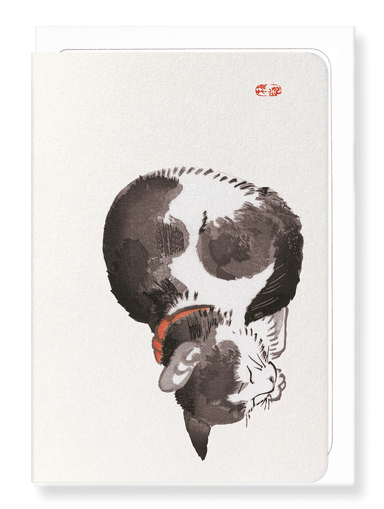
Greeting card
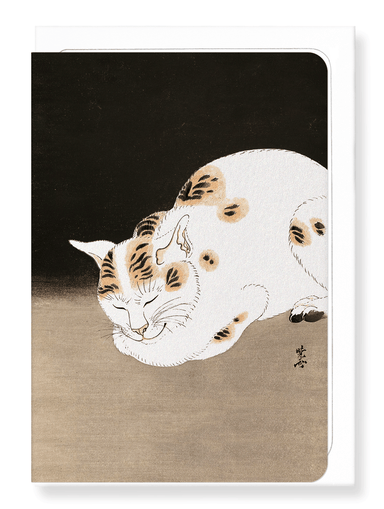
Text on the reverse side:From a woodblock print by Kono Bairei (1844-1895). According to a study, cats typically sleep between 12 to 16 hours every...
詳細を全部見る
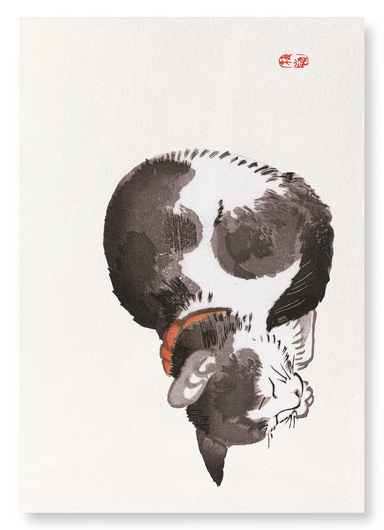
Art Print
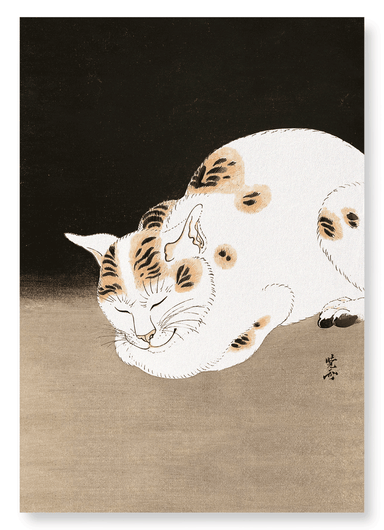
From a woodblock print by Kono Bairei (1844-1895). According to a study, cats typically sleep between 12 to 16 hours every day, and anything up to ...
詳細を全部見る
Greeting card
Text on the reverse side:Cats are a recurring motif in the works of Kawanabe Kyosai (1831-1889). This is part of his publication Kyosai Gadan (Kyos...
詳細を全部見る
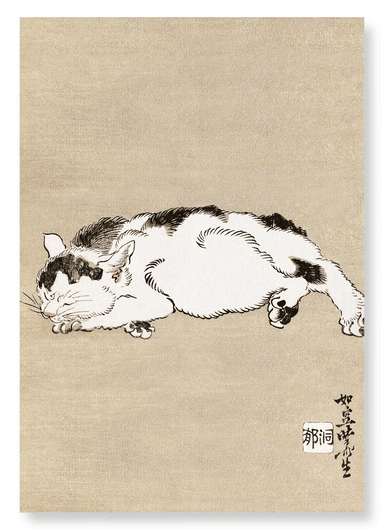
Art Print
Cats are a recurring motif in the works of Kawanabe Kyosai (1831-1889). This is part of his publication Kyosai Gadan (Kyosai’s Account of Illustrat...
詳細を全部見る
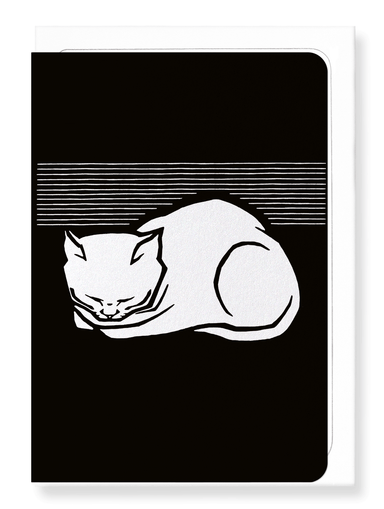
Greeting card
Text on the reverse side:A woodcut by the Dutch graphic artist and painter Julie de Graag (1877-1924). The cat represents patience and waiting for ...
詳細を全部見る
Art Print
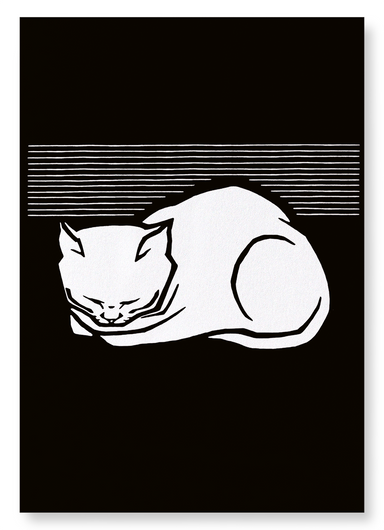
A woodcut by the Dutch graphic artist and painter Julie de Graag (1877-1924). The cat represents patience and waiting for the right moment to act. ...
詳細を全部見る
Greeting card
Text on the reverse side:Adaptation of a woodcut by the Dutch graphic artist and painter Julie de Graag (1877-1924). The cat represents patience an...
詳細を全部見る
Art Print
Adaptation of a woodcut by the Dutch graphic artist and painter Julie de Graag (1877-1924). The cat represents patience and waiting for the right m...
詳細を全部見る
Greeting card
Text on the reverse side:Cats are a recurring motif in the works of Kawanabe Kyosai (1831-1889), sometimes depicted in a playful and funny manner. ...
詳細を全部見る
Art Print
Cats are a recurring motif in the works of Kawanabe Kyosai (1831-1889), sometimes depicted in a playful and funny manner. In this work a cat is sho...
詳細を全部見る
Greeting card
Text on the reverse side: This illustration from The Book of the Cat reflects the soothing nature of cats, which can sleep for up to twenty hours ...
詳細を全部見る
Art Print
This illustration from The Book of the Cat reflects the soothing nature of cats, which can sleep for up to twenty hours a day. Elizabeth Fearne Bon...
詳細を全部見る
Bookmark
Text on the reverse side: This illustration from The Book of the Cat reflects the soothing nature of cats, which can sleep for up to twenty hours ...
詳細を全部見る
Greeting card
Text on the reverse side:The oldest known confection in the world is the Linzer Torte, a tart with jam and a lattice pasty top, which shows up not ...
詳細を全部見る
Art Print
The oldest known confection in the world is the Linzer Torte, a tart with jam and a lattice pasty top, which shows up not only in a 1696 recipe, bu...
詳細を全部見る
Greeting card
Text on the reverse side:The warmth and personality of J-culture reminds us that a simple smile can bring colour, positivity and magic into our lives.
Art Print
The warmth and personality of J-culture reminds us that a simple smile can bring colour, positivity and magic into our lives.
Greeting card
Text on the reverse side:Most likely to help with the insulating properties of their fur, polar bears love to stay clean by taking a swim and rolli...
詳細を全部見る
Art Print
Most likely to help with the insulating properties of their fur, polar bears love to stay clean by taking a swim and rolling in the snow. With thei...
詳細を全部見る
Greeting card
Text on the reverse side:British textile designer and potter William Morris (1834-1896). The flower, also called fritillary or checkered lily, was ...
詳細を全部見る
Art Print
British textile designer and potter William Morris (1834-1896). The flower, also called fritillary or checkered lily, was one of the designers favo...
詳細を全部見る
Greeting card
Text on the reverse side:Book related expressions that you may not know: “Tsundoku” is a Japanese word meaning buying a load of books and not getti...
詳細を全部見る
Art Print
Book related expressions that you may not know: “Tsundoku” is a Japanese word meaning buying a load of books and not getting round to reading them.
Greeting card
Text on the reverse side: A bridge, particularly a bridge over water, represents crossing over from the profane to the sacred. In Zen symbolism, r...
詳細を全部見る
Art Print
A bridge, particularly a bridge over water, represents crossing over from the profane to the sacred. In Zen symbolism, red represents life force, t...
詳細を全部見る
Greeting card
Text on the reverse side:The pine tree is portrayed as the focal point of the snowy landscape. Both the Japanese and Chinese regard the evergreen p...
詳細を全部見る
Art Print
The pine tree is portrayed as the focal point of the snowy landscape. Both the Japanese and Chinese regard the evergreen pine as a symbol of longev...
詳細を全部見る
Greeting card
Text on the reverse side:This winter image is from the series “One Hundred Famous Views in the Various Provinces”, produced between 1859 and 1861. ...
詳細を全部見る
Art Print
This winter image is from the series “One Hundred Famous Views in the Various Provinces”, produced between 1859 and 1861. The landscape is filled w...
詳細を全部見る
Bookmark
Text on the reverse side: This painting shows Louveciennes blanketed in snow. Pissarro’s soft brushstrokes convey the chill and quiet beauty of wi...
詳細を全部見る
Greeting card
Text on the reverse side:This painting shows Louveciennes blanketed in snow. Pissarro’s soft brushstrokes convey the chill and quiet beauty of wint...
詳細を全部見る
Art Print
This painting shows Louveciennes blanketed in snow. Pissarro’s soft brushstrokes convey the chill and quiet beauty of winter, exemplifying his comm...
詳細を全部見る
Greeting card
Text on the reverse side:Kiyomizu Temple was built in 1798 without a single nail and still stands today. The Japanese expression “to jump off the s...
詳細を全部見る
Art Print
Kiyomizu Temple was built in 1798 without a single nail and still stands today. The Japanese expression “to jump off the stage at Kiyomizu” is the ...
詳細を全部見る