Art Print
JAPONISME BLOSSOMS
The plum blossom has traditionally been used as a symbol of congratulatory occasions and good luck, representing enduring happiness, strength, beau...
詳細を全部見る
Art Print
The plum blossom has traditionally been used as a symbol of congratulatory occasions and good luck, representing enduring happiness, strength, beau...
詳細を全部見る
Art Print
The crane is revered as a national treasure in Japan, and has long been seen as a symbol of longevity and good fortune, as it was thought to live f...
詳細を全部見る
Art Print
The crane is revered as a national treasure in Japan, and has long been seen as a symbol of longevity and good fortune, as it was thought to live f...
詳細を全部見る
Art Print
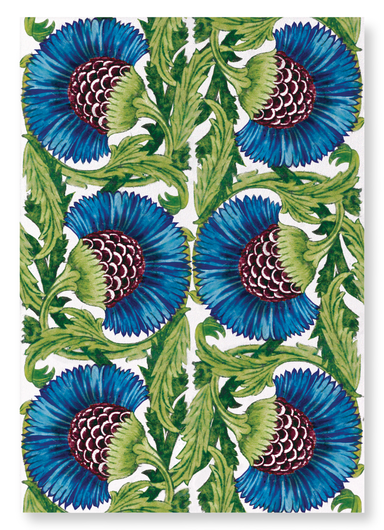
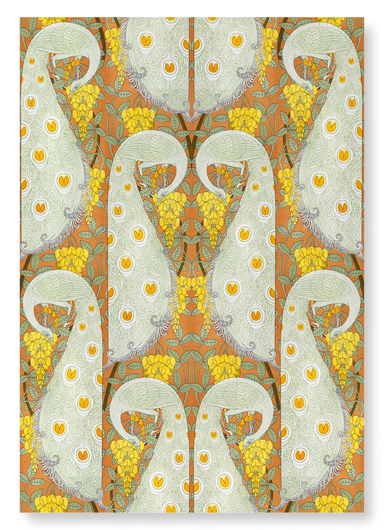
Based on a design by English potter and tile designer, William de Morgan (1839–1917). In Greco-Roman mythology, the peacock tail was said to have t...
詳細を全部見る
Art Print
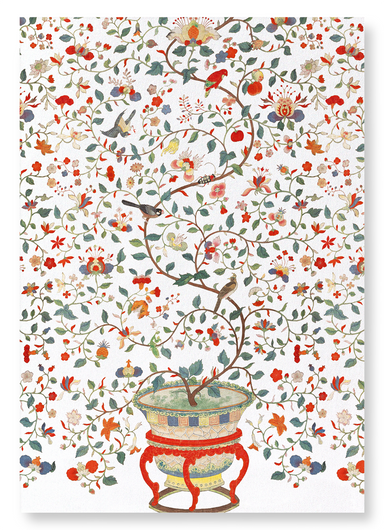
Chinese painted wall decorations became extremely popular in Europe in the 17th and 18th century. They were used to decorate the “Chinese Room”, a ...
詳細を全部見る
Art Print
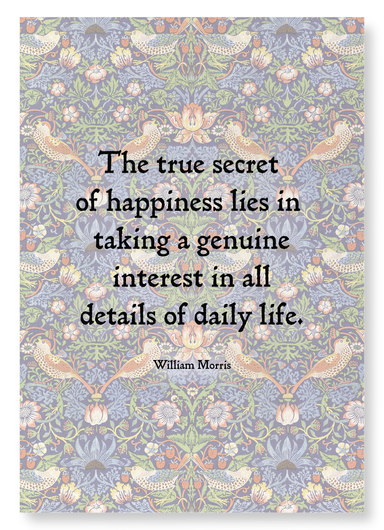
By British textile designer and potter William Morris (1834-1896), who was inspired by the thrush birds that frequently stole the strawberries in t...
詳細を全部見る
Art Print
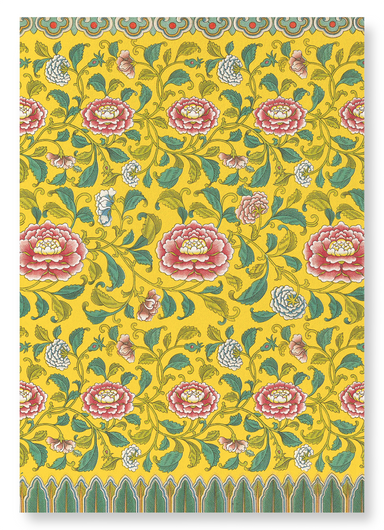
Referred as the king of flowers in China, peonies symbolise wealth, prosperity and honour, whilst also serving as a powerful symbol of protection a...
詳細を全部見る
Art Print
The stitch used in this 18th century Indian embroidery is typical of Gujarat. Between the 16th and 18th century, textiles decorated with this kind ...
詳細を全部見る
Art Print
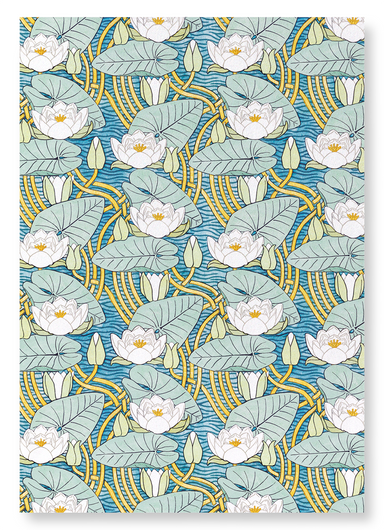
The water lily symbolises purity and peace, and also associated with enlightenment as they close up their petals in the evening, and then reopen in...
詳細を全部見る
Art Print
As it was thought to live for a thousand years, the crane is the ultimate symbol of longevity in Japan. Here, it is paired with the enduring and ev...
詳細を全部見る
Art Print
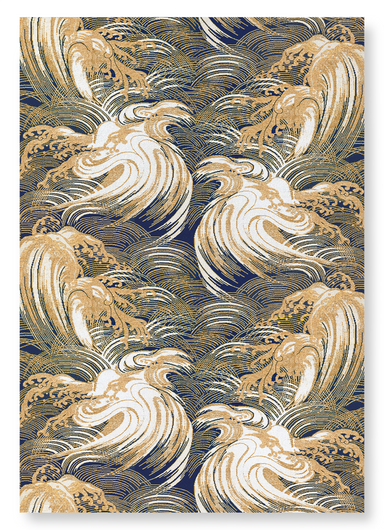
Design from a kimono obi belt of waves portrayed using gold and silver metallic threads. The ocean represents strength and life, above which shapes...
詳細を全部見る
Art Print
British textile designer and potter William Morris (1834-1896). Morris grew roses at Red House, as they were one of his favourite flowers. Roses ap...
詳細を全部見る
Art Print
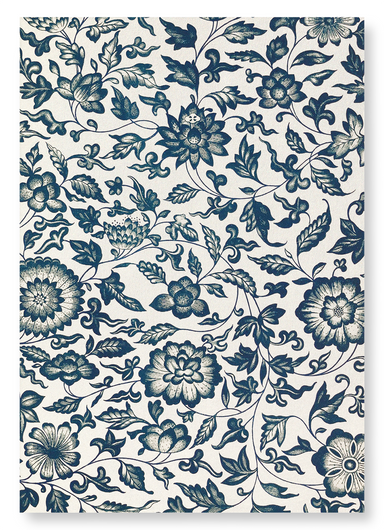
From the 14th century, blue and white decorations became extremely popular on Chinese porcelain as the cobalt, the blue pigment, started to be impo...
詳細を全部見る
Art Print
The morning glory flower was first discovered in China for its medicinal uses and was later introduced to the Japanese who were the first to cultiv...
詳細を全部見る
Art Print
The illustration from British Wild Flowers in their Natural Colour and Form by the Revd Professor Henslow, captures the spiny elegance and vivid pu...
詳細を全部見る
Art Print
Trivia: Saekdong, meaning "colourful stripes," symbolises harmony, vitality, and auspiciousness in Korean culture. Red represents passion, white pu...
詳細を全部見る
Art Print
Symbolic of immortality of the soul and healing, the acanthus is a decorative motif that was highly popular particularly during Greco-Roman times. ...
詳細を全部見る
Art Print
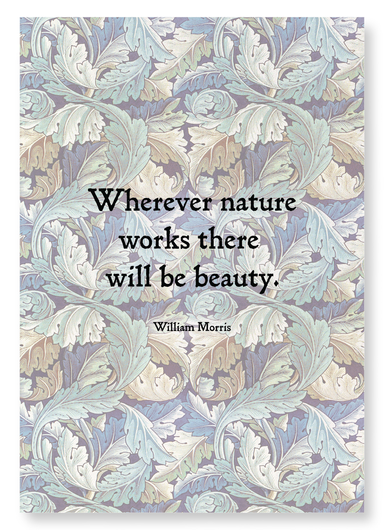
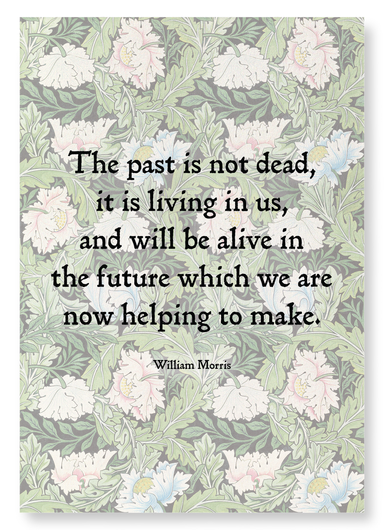
Quote by British designer William Morris. Written here in the Golden Type Font, developed by Morris in 1890 for Kelmscott Press, where he published...
詳細を全部見る
Art Print
Quote by British designer William Morris. Written here in the Golden Type Font, developed by Morris in 1890 for Kelmscott Press, where he published...
詳細を全部見る
Art Print
Quote by British designer William Morris. Written here in the Golden Type Font, developed by Morris in 1890 for Kelmscott Press, where he published...
詳細を全部見る
Art Print
The anemone flowers close up at night and open back up in the morning, and so they symbolise anticipation, relaxation, and embracing opportunities ...
詳細を全部見る
Art Print
The cranes symbolise elegance and longevity. The insignia ‘hyungbae’ system displayed the ranks of officials in the Joseon dynasty (1392-1910). The...
詳細を全部見る
Art Print
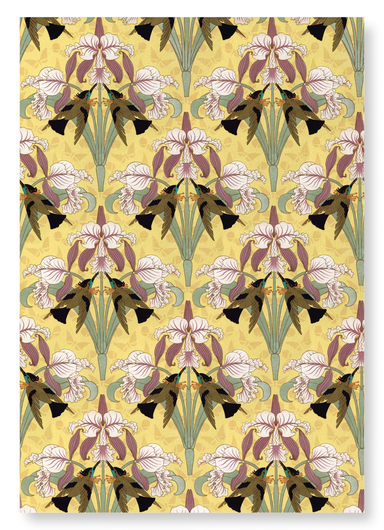
Orchids represent beauty and elegance, whilst hummingbirds are associated with vitality and freedom - both good luck symbols. Maurice Pillard Verne...
詳細を全部見る
Art Print
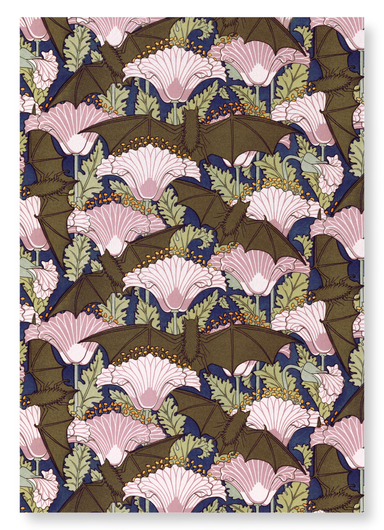
Bats have sometimes been called “Guardians of the Night”. They symbolise the underworld but also rebirth and return to life. Maurice Pillard Verneu...
詳細を全部見る
Art Print
Tudor rose pattern, based on a design for an embroidery, designed by British architect and painter, Ernest Geldart (1848–1929). He was ordained a d...
詳細を全部見る
Art Print
Art Print
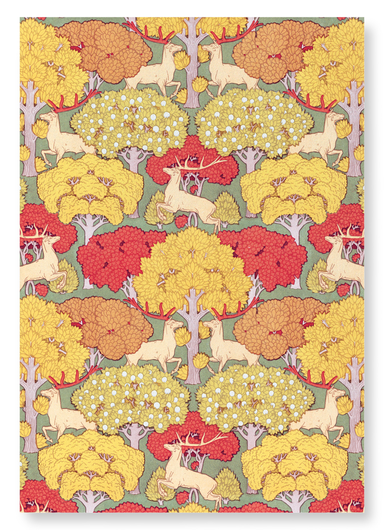
Deer have many meanings across cultures. They are widely recognised as gentle, powerful, and intuitive creatures. Deer also symbolise regeneration ...
詳細を全部見る
Art Print
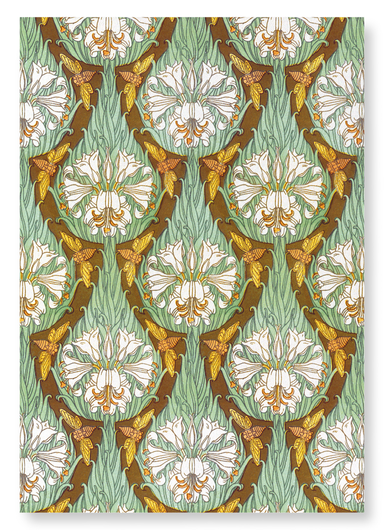
Cicadas and lilies have interestingly similar meanings. They are both symbols of life and rebirth, and their symbolism owes respectively to the uni...
詳細を全部見る
Art Print
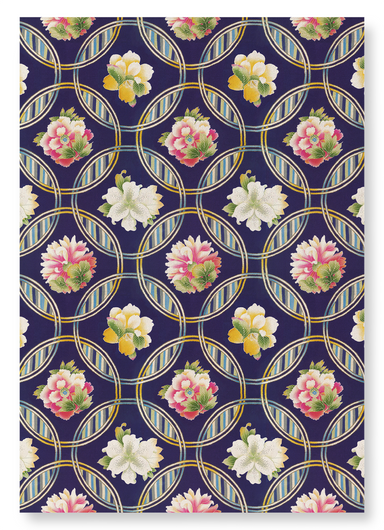
The continuous circular pattern represents happiness and luck. The lily and peony flowers, often used in early 20th century Japan, are symbols of b...
詳細を全部見る
Art Print
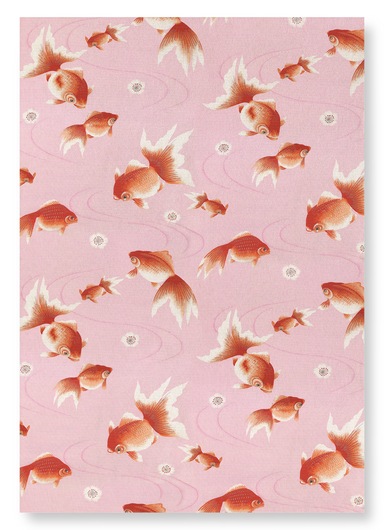
Taken from a design of a summer blanket which belonged to a member of the imperial family of Japan. The goldfish symbolises wealth, fortune and goo...
詳細を全部見る
Art Print
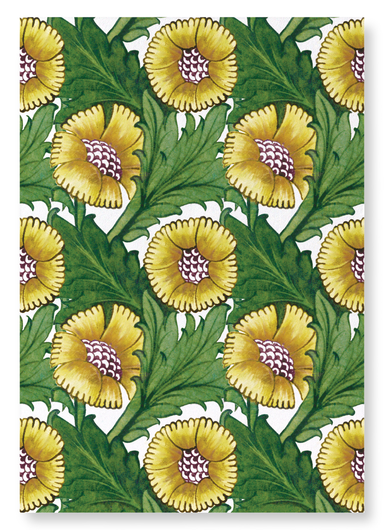
The greatest number of De Morgan’s works are based on flowers, usually in combination with leaves. Here some yellow daisies are used - a flower sym...
詳細を全部見る
Art Print
Coifs were worn as close-fitting caps. Embroidered patterns like this one, with birds, flowers, and insects were extremely popular in England in th...
詳細を全部見る
Art Print
The 16th century saw an increasing popularity and availability of printed books. Patterns texts alongside samplers, allowed amateur embroiderers to...
詳細を全部見る
Art Print
Ivy and flowers from ‘The Garden of Eden’ Tudor embroidery. The ivy, with its ability to cling to any surface, represents love, fidelity, friendshi...
詳細を全部見る
Art Print
Ivy and flowers from ‘The Garden of Eden’ Tudor embroidery. The ivy, with its ability to cling to any surface, represents love, fidelity, friendshi...
詳細を全部見る
Art Print
Taken from ‘The Garden of Eden’ embroidery. In Christianity, pomegranates represent prosperity and material wealth. Lemons, represent hope. fertili...
詳細を全部見る