Greeting card
FLOWERING LOTUS
Text on the reverse side: A lotus by Hoson, also known as Koson (1877-1945). The lotus flower is revered for its ability to rise from the murky wa...
詳細を全部見る
Greeting card
Text on the reverse side: A lotus by Hoson, also known as Koson (1877-1945). The lotus flower is revered for its ability to rise from the murky wa...
詳細を全部見る
Greeting card
Text on the reverse side: Hasui Kawase was one of the most prolific and recognised artists of the Shin Hanga (New Print) movement. Depicted in the...
詳細を全部見る
Greeting card
Text on the reverse side: Hiroshige is considered to be one of the greatest Japanese print artists. From the window we see plum blossoms - traditi...
詳細を全部見る
Greeting card
Text on the reverse side: Located within Ueno Park in Tokyo, the Toshogu shrine was built during the Edo period, to commemorate the first Shogun, ...
詳細を全部見る
Greeting card
Text on the reverse side: A contemporary Bishop adaptation of a Japanese woodblock print from 1814. The Japanese word for frog is “kaeru”, which c...
詳細を全部見る
Greeting card
Text on the reverse side:Yasaka Pagoda, first built in 589, was repeatedly destroyed and burned in war. Always reconstructed to its original form, ...
詳細を全部見る
Greeting card
Text on the reverse side:Kiyomizu Temple was built in 1798 without a single nail and still stands today. The Japanese expression “to jump off the s...
詳細を全部見る
Greeting card
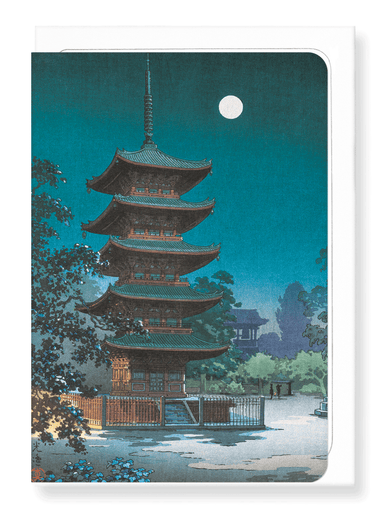
Text on the reverse side:The five levels of the Japanese pagoda stand for each of the five elements according to Buddhist thought: Earth, Water, Fi...
詳細を全部見る
Greeting card
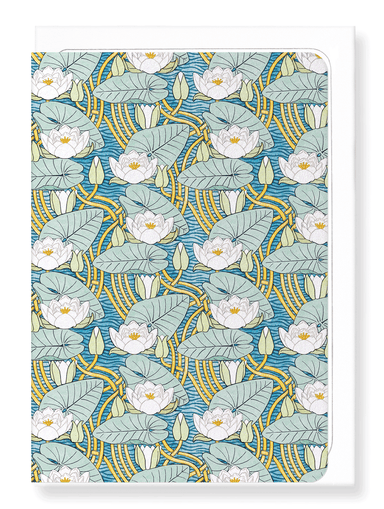
Text on the reverse side:The water lily symbolises purity and peace, and also associated with enlightenment as they close up their petals in the ev...
詳細を全部見る
Greeting card
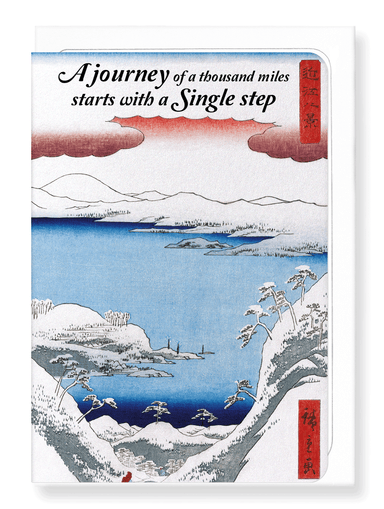
Text on the reverse side:The snow scene is by the Japanese woodblock print master, Utagawa Hiroshige. A snowscape offers a hint of new beginnings -...
詳細を全部見る
Greeting card
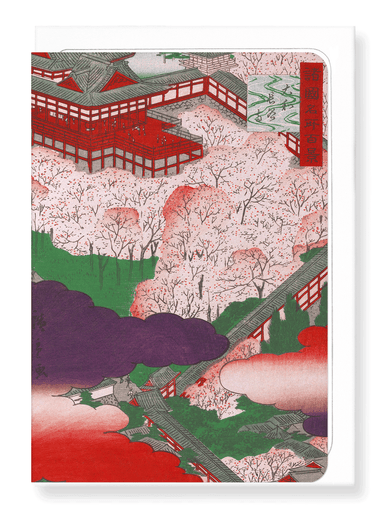
Text on the reverse side:Although the temple has been reconstructed several times, it was first built in 686 AD. It is best to visit this temple in...
詳細を全部見る
Greeting card
Text on the reverse side: Depicted is a torii structure, a traditional Japanese gate most commonly found at the entrance to or within a Shinto shr...
詳細を全部見る
Greeting card
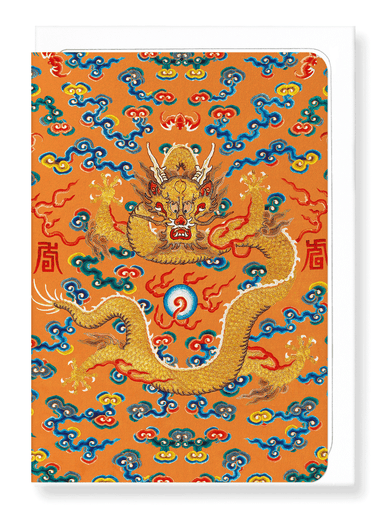
Text on the reverse side:Chinese silk embroidery with gold threads, portrays a five clawed dragon - the quintessential symbol of imperial power. De...
詳細を全部見る
Greeting card
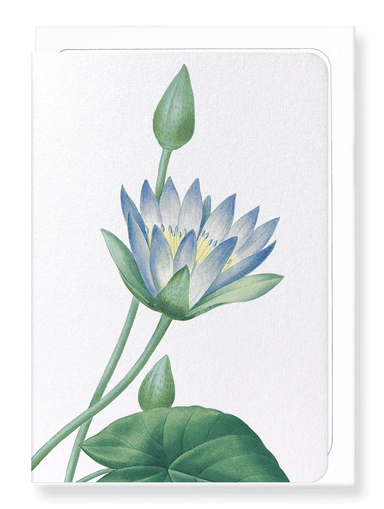
Text on the reverse side:Known as blue lotus or blue water lily, the flower is a symbol of the universe itself. Rooted in the mud, it rises through...
詳細を全部見る
Greeting card
Text on the reverse side:Known also as blue water lily or nymphaea coerulea, the flower is a symbol of the universe itself. Rooted in the mud, it r...
詳細を全部見る
Greeting card
Text on the reverse side: Part of a triptych image, a giant skeleton spirit known as a gashadokuro looms over the menace warrior Oya no Mitsukuni ...
詳細を全部見る
Greeting card
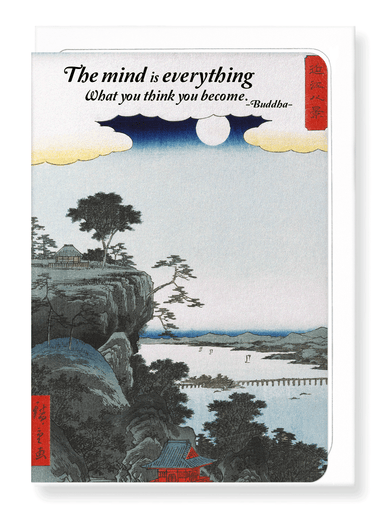
Text on the reverse side:Buddha taught that “we are shaped by our thoughts; we become what we think. When the mind is pure, joy follows like a shad...
詳細を全部見る
Greeting card
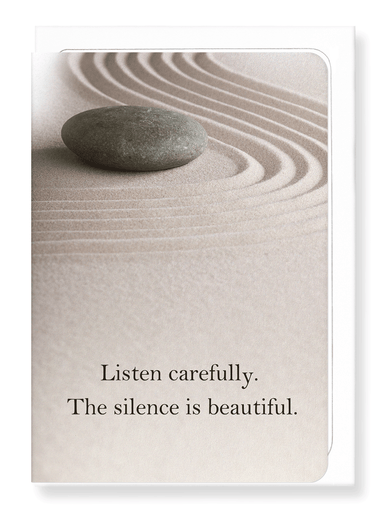
Text on the reverse side:Zen rock gardens (karesansui “dry-mountain water” in Japanese), originated in medieval Japan. Renowned for their simplicit...
詳細を全部見る
Greeting card
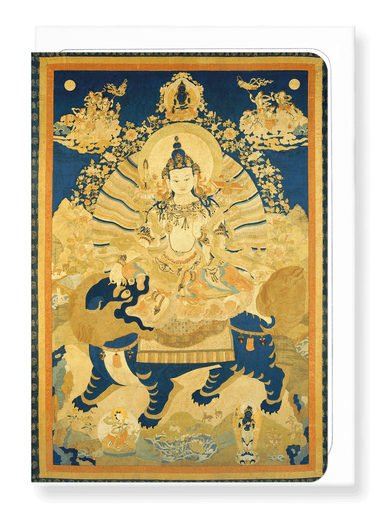
Text on the reverse side:The Chinese silks and leather shapes skilfully portray the Bodhisattva Manjushri, whose name means Gentle Glory in Sanskri...
詳細を全部見る
Greeting card
Text on the reverse side:The different coloured strings stand for the five elements (earth, wind, fire, void, and water) and forces according to Bu...
詳細を全部見る
Greeting card
Text on the reverse side:One day on the spiritual mountain, people gathered to hear the Buddha’s Dharma talk. On one occasion, Buddha simply held u...
詳細を全部見る
Greeting card
Text on the reverse side:A quote from the Chinese philosopher Laozi (c.604 BC - c.531 BC) from his classic text “Tao Te Ching”, which is amongst th...
詳細を全部見る
Greeting card
Text on the reverse side:Prayer is a powerful method of expressing gratitude or guidance. Research has also confirmed that the act results in a bet...
詳細を全部見る
Greeting card
Text on the reverse side:We take knowledge of the visible world through sight, but that which is visible, is only a small speck in the grand creati...
詳細を全部見る
Greeting card
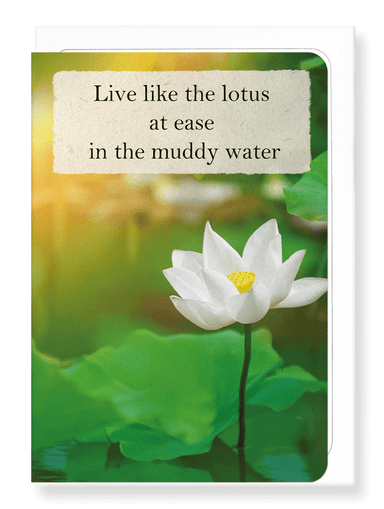
Text on the reverse side:The lotus flower is revered for its ability to rise from the murky waters to bloom into a beautiful pure flower, This proc...
詳細を全部見る
Greeting card
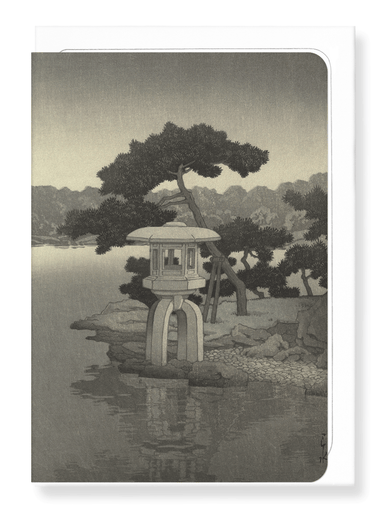
Text on the reverse side:Stone lanterns are traditionally votive lights, with the light in the lamp representing the sacred teachings to help overc...
詳細を全部見る
Greeting card
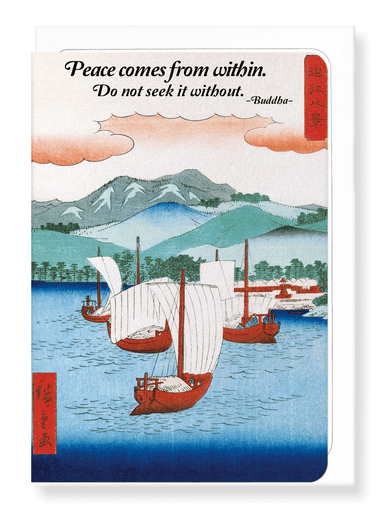
Text on the reverse side:Boats symbolise the ability to “stay afloat” and to travel through the confusions of the forces prevalent within our lives...
詳細を全部見る
Greeting card
Text on the reverse side: One of the most famous Japanese ghosts from the Yotsuya Kaidan, Oiwa’s tale tells of a woman whose life is ruined by her...
詳細を全部見る
Greeting card
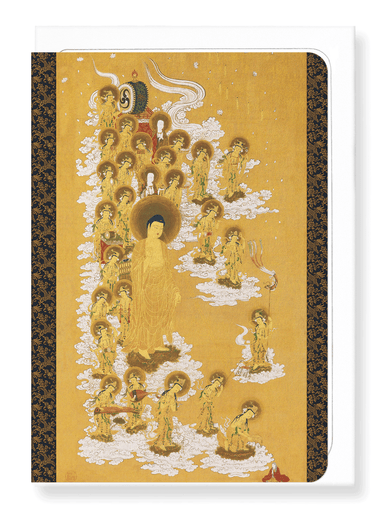
Text on the reverse side:Japanese “raigo” imagery is a representation of Amida Buddha, also known as the Buddha of Immeasurable Light, welcoming th...
詳細を全部見る
Greeting card
Text on the reverse side:The Tibetan tsakli card portrays a manifestation of Manjushri. A card that belongs to a small sets of paintings (usually a...
詳細を全部見る
Greeting card
Text on the reverse side: From the kabuki drama The Okazaki Cat Demon, this scene depicts the menace of the bakeneko, a supernatural cat said to g...
詳細を全部見る
Greeting card
Text on the reverse side: Historical records show cats dwelling comfortably within devotion and daily order. This priest-cat follows suit. Happy B...
詳細を全部見る
Greeting card
Text on the reverse side: Each Christmas season, St Paul’s Cathedral becomes a centre of celebration, its grand dome illuminated against the winte...
詳細を全部見る
Greeting card
Text on the reverse side: In this scene, Hokusai depicts the ghost of the servant Okiku rising from a well. Falsely accused and thrown to her deat...
詳細を全部見る
Greeting card
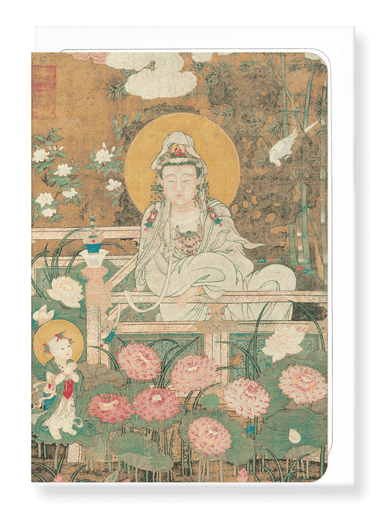
Text on the reverse side:Avalokiteshvara in Sanskrit, the Chinese name Guanyin is short for Guanshiyin, which means The One Who Perceives the Sound...
詳細を全部見る
Greeting card
Text on the reverse side:Imperial Chinese embroidery portraying the thousand arms and eleven heads of Guanyin. This manifestation of the compassion...
詳細を全部見る