Art Print
SCOTTISH EZEN FROG
A contemporary Scottish adaptation of a Japanese woodblock print dating from 1814. The Japanese word for frog is “kaeru”, which can also mean “to r...
詳細を全部見る
Art Print
A contemporary Scottish adaptation of a Japanese woodblock print dating from 1814. The Japanese word for frog is “kaeru”, which can also mean “to r...
詳細を全部見る
Greeting card
Text on the reverse side:A contemporary Indian adaptation of a Japanese woodblock print from 1814. The Japanese word for frog is “kaeru”, which can...
詳細を全部見る
Bookmark
Text on the reverse side: A contemporary rainbow adaptation of a Japanese woodblock print dating 1814. The Japanese word for frog is “kaeru”, whic...
詳細を全部見る
Art Print
A contemporary Sherlock Holmes adaptation of a Japanese woodblock print dating 1814. The Japanese word for frog is “kaeru”, which can also mean “to...
詳細を全部見る
Art Print
A contemporary samurai adaptation of a Japanese woodblock print dating 1814. The Japanese word for frog is “kaeru”, which can also mean “to return”...
詳細を全部見る
Art Print
The swallow, for many, symbolises triumph and success, and for others represents love and loyalty. Design by the Japanese artist Kodo in 1935.
Greeting card
Text on the reverse side:The crane has long been seen as a symbol of longevity and good fortune as it was thought to have a life span of a thousand...
詳細を全部見る
Greeting card
Text on the reverse side:The name nandina (also known as heavenly bamboo or sacred bamboo in Japan and China) with sprays of bright red berries and...
詳細を全部見る
Greeting card
Text on the reverse side: A contemporary book lover adaptation of a Japanese woodblock print by Koson (1877-1945). Japanese folklore portrays the ...
詳細を全部見る
Art Print
A contemporary book reading adaptation of a Japanese woodblock print from 1814. The Japanese word for frog is “kaeru”, which can also mean “to retu...
詳細を全部見る
Greeting card
Text on the reverse side: The java finch symbolises exuberance and an energetic zest for life, reminding us to appreciate and treasure each moment...
詳細を全部見る
Greeting card
Text on the reverse side: A contemporary Bishop adaptation of a Japanese woodblock print from 1814. The Japanese word for frog is “kaeru”, which c...
詳細を全部見る
Art Print
A contemporary Stonehenge adaptation of an antique Japanese woodblock print from 1814. The Japanese word for frog is “kaeru”, which can also mean “...
詳細を全部見る
Greeting card
Text on the reverse side:The mandarin duck symbolises romance, affection, togetherness and enduring love. For singles, the mandarin duck is believe...
詳細を全部見る
Bookmark
Text on the reverse side: The swallow, for many, symbolises triumph and success, and for others represents love and loyalty. Design by the Japanes...
詳細を全部見る
Greeting card
Text on the reverse side:A contemporary Roman adaptation of a Japanese woodblock print from 1814. The Japanese word for frog is “kaeru”, which can ...
詳細を全部見る
Greeting card
Text on the reverse side: The songbird is a protective spirit associated to poetry and music. The lotus flower is revered for its ability to rise ...
詳細を全部見る
Art Print
Expressive of enduring happiness, the plum blossom has traditionally been used as a decorative symbol of congratulatory occasions and good luck, re...
詳細を全部見る
Greeting card
Text on the reverse side:The Japanese word for monkey, “saru”, is a homonym for the Japanese word “expel”(also pronounced saru), meaning “dispel” o...
詳細を全部見る
Art Print
A contemporary geisha adaptation of a Japanese woodblock print dating 1814. The Japanese word for frog is “kaeru”, which can also mean “to return”,...
詳細を全部見る
Art Print
The Japanese name for owl, Fukuro, usually is written with one single character, but can also be written with the combination of the character for ...
詳細を全部見る
Art Print
The iris is associated with faith, hope, valour, and wisdom. It is a flower that has captivated the hearts of the Japanese since ancient times, bel...
詳細を全部見る
Bookmark
Text on the reverse side: Expressive of enduring happiness, the plum blossom has traditionally been used as a decorative symbol of congratulatory ...
詳細を全部見る
Bookmark
Text on the reverse side: A contemporary Scottish adaptation of a Japanese woodblock print dating from 1814. The Japanese word for frog is “kaeru”...
詳細を全部見る
Greeting card
Text on the reverse side:The Japanese name for owl, Fukuro, usually is written with one single character, but can also be written with the combinat...
詳細を全部見る
Greeting card
Text on the reverse side:It is said that a koi carp swims up rivers and climbs waterfalls. The Japanese associates koi carps with perseverance in a...
詳細を全部見る
Art Print
A contemporary artist adaptation of an antique Japanese woodblock print from 1814. The Japanese word for frog is “kaeru”, which can also mean “to r...
詳細を全部見る
Greeting card
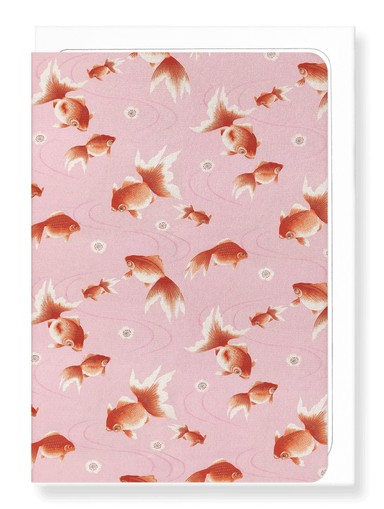
Text on the reverse side:Taken from a design of a summer blanket which belonged to a member of the imperial family of Japan. The goldfish symbolise...
詳細を全部見る
Greeting card
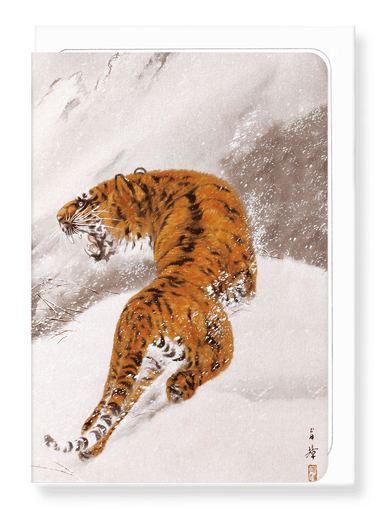
Text on the reverse side:Symbolising invincibility, power and might, the tiger is a highly potent symbol used across many cultures in Asia. Traditi...
詳細を全部見る
Art Print
Commonly the deer represents the power to deal with challenges and the ability to be swift and vigilant, calling for people to trust their instinct...
詳細を全部見る
Greeting card
Text on the reverse side:A Qing dynasty Chinese emperor adaptation of a Japanese woodblock print from 1814. The Japanese word for frog is "kaeru", ...
詳細を全部見る
Greeting card
Text on the reverse side:A Qing dynasty Chinese empress adaptation of a woodblock print from 1814. The Japanese word for frog is "kaeru", which can...
詳細を全部見る
Art Print
A contemporary Dracula adaptation of an antique Japanese woodblock print from 1814. The Japanese word for frog is “kaeru”, which can also mean “to ...
詳細を全部見る
Art Print
A contemporary royal adaptation of a Japanese woodblock print dating 1814. The Japanese word for frog is “kaeru”, which can also mean “to return”, ...
詳細を全部見る
Greeting card
Text on the reverse side: A contemporary Scrooge adaptation of a Japanese woodblock print by Koson (1877-1945). Japanese folklore portrays the fox...
詳細を全部見る
Art Print
A contemporary Christmas adaptation of a Japanese woodblock print by Koson (1877-1945). Japanese folklore portrays the fox with intelligence and pa...
詳細を全部見る