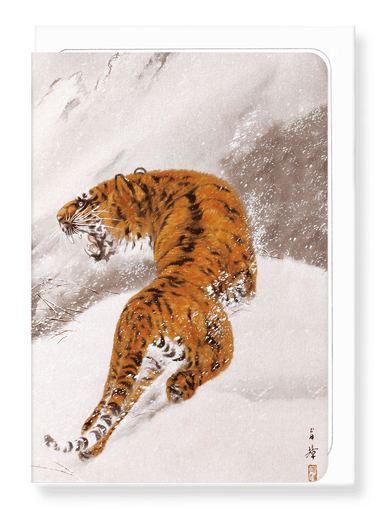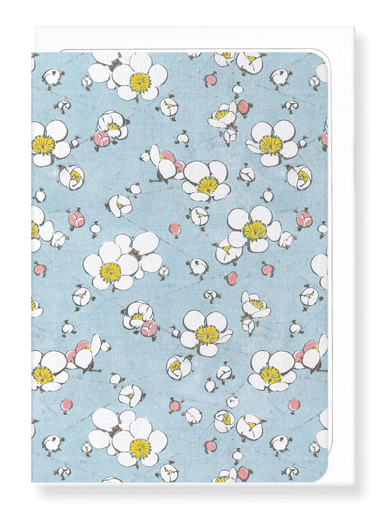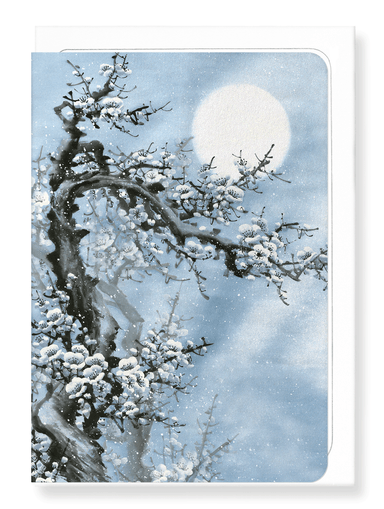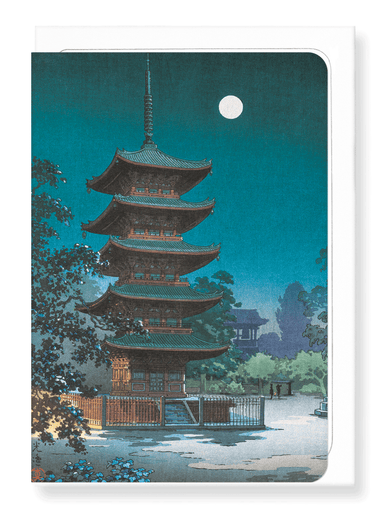
Greeting card
TIGER IN SNOW
Text on the reverse side:Symbolising invincibility, power and might, the tiger is a highly potent symbol used across many cultures in Asia. Traditi...
詳細を全部見る
Greeting card
Text on the reverse side:Symbolising invincibility, power and might, the tiger is a highly potent symbol used across many cultures in Asia. Traditi...
詳細を全部見る
Greeting card
Text on the reverse side:Back in 1715, the Tsugaru clan brought cherry trees from Kyoto and planted them in the grounds of Hirosaki Castle, Aomori ...
詳細を全部見る
Greeting card
Text on the reverse side:A Qing dynasty Chinese emperor adaptation of a Japanese woodblock print from 1814. The Japanese word for frog is "kaeru", ...
詳細を全部見る
Greeting card
Text on the reverse side:The plum blossom expresses enduring happiness. Used as a congratulatory symbol of good luck, it represents strength, resil...
詳細を全部見る
Greeting card
Text on the reverse side:The way cats wash their faces by licking their paws and wiping their face - it is as if they are inviting good luck, becko...
詳細を全部見る
Greeting card
Text on the reverse side:A Qing dynasty Chinese empress adaptation of a woodblock print from 1814. The Japanese word for frog is "kaeru", which can...
詳細を全部見る
Greeting card
Text on the reverse side:Stars can be seen as a symbol of change or a turning point. Stars generally signify purity, as well as representing a dist...
詳細を全部見る
Greeting card
Text on the reverse side:The plum blossom expresses enduring happiness. Used as a congratulatory symbol of good luck, it represents strength, resil...
詳細を全部見る
Greeting card
Text on the reverse side:Registered in 1875, Acanthus was the first wallpaper design released by the decorative arts retailer, Morris and Co, found...
詳細を全部見る
Greeting card
Text on the reverse side:A contemporary LGBTQ+ Fab adaptation of a Japanese woodblock print dating 1814. The Japanese word for frog is “kaeru”, whi...
詳細を全部見る
Greeting card
Text on the reverse side: A contemporary Scrooge adaptation of a Japanese woodblock print by Koson (1877-1945). Japanese folklore portrays the fox...
詳細を全部見る
Greeting card
Text on the reverse side:A contemporary William Morris adaptation of a Japanese woodblock print dating 1814. The Japanese word for frog is “kaeru”,...
詳細を全部見る
Greeting card
Text on the reverse side:The five levels of the Japanese pagoda stand for each of the five elements according to Buddhist thought: Earth, Water, Fi...
詳細を全部見る
Greeting card
Text on the reverse side: Rabbits are associated to cleverness and self-devotion. Woodblock print by Kōno Bairei (1844-1895).
Greeting card
Text on the reverse side:The plum blossom has traditionally been used as a symbol of congratulatory occasions. Blossoming in the bare landscape whe...
詳細を全部見る
Greeting card
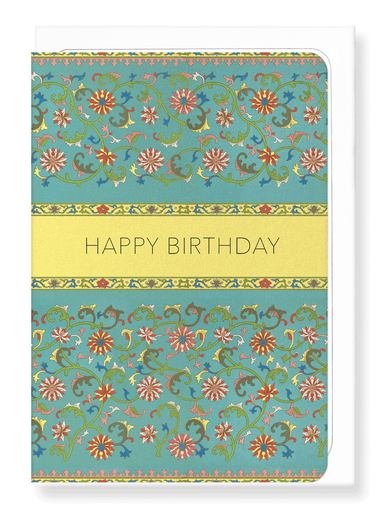
Text on the reverse side:In Chinese culture, also colours can carry an auspicious meaning. Blue, azure and some shades of green, called “qing”, are...
詳細を全部見る
Greeting card
Text on the reverse side: In the library of life, birthdays are golden bookmarks - moments to pause, celebrate, and smile. May this birthday bring...
詳細を全部見る
Greeting card
Text on the reverse side:An embroidered panel in the manner of William Morris decorated with trailing orange briar roses. The briar rose has been s...
詳細を全部見る
Greeting card
Text on the reverse side:A contemporary scientist adaptation of a Japanese woodblock print dating from 1814. The Japanese word for frog is “kaeru”,...
詳細を全部見る
Greeting card
Text on the reverse side:The waxwing totem is believed to teach selflessness whilst encouraging us to give to others for their benefit, without cal...
詳細を全部見る
Greeting card
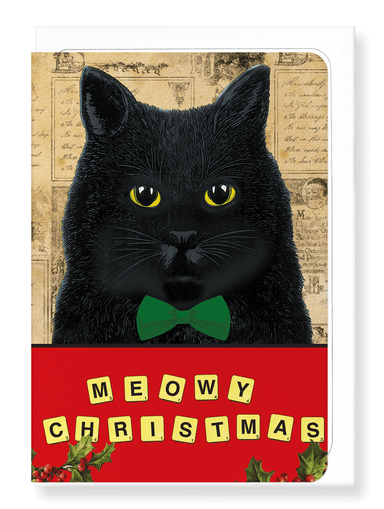
Text on the reverse side:Meow, the representation of cat sound, dates as far back as the 1630s in the forms of miaow, miau, meaw. Exploring differe...
詳細を全部見る
Greeting card
Text on the reverse side:White is the colour of purity, innocence, wholeness and completion. In this image, these attributes are combined with the ...
詳細を全部見る
Greeting card
Text on the reverse side: A symbol of enduring happiness, the plum blossom has traditionally been used as a decorative symbol for congratulatory o...
詳細を全部見る
Greeting card
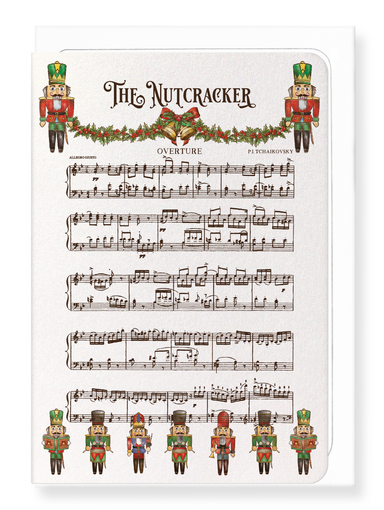
Text on the reverse side:The Imperial Russian Ballet choreographer Marius Petipa commissioned Peter Tchaikovsky to compose the music for this fairy...
詳細を全部見る
Greeting card
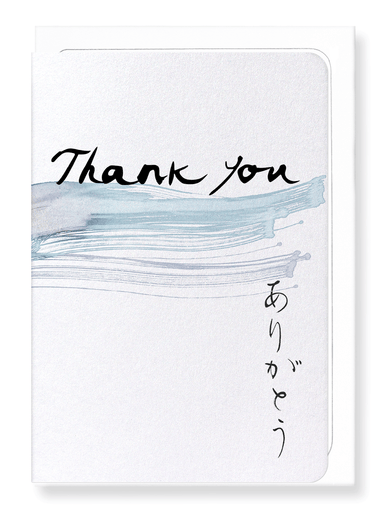
Text on the reverse side:Thank you in Japanese is “arigatou” (or more formally “arigatou gozaimasu”). The pronunciation would be ari-ga-toh.
Greeting card
Text on the reverse side:In the Japanese system of Hana-kotoba (flower meanings), the magnolia flower means the sublime, and love of nature, reinvi...
詳細を全部見る
Greeting card
Text on the reverse side:Lying between the Japanese main islands of Honshu, Shikoku and Kyushu, the Seto Inland Sea is famous for its coastal scene...
詳細を全部見る
Greeting card
Text on the reverse side:The name nandina (also known as heavenly bamboo or sacred bamboo in Japan and China) with sprays of bright red berries, is...
詳細を全部見る
Greeting card
Text on the reverse side:The egret is appreciated as an auspicious symbol in many cultures. In China, the egret symbolises strength, purity, patien...
詳細を全部見る
グリーティングカード
ロイヤル・アルバート・ホールで開催される2025年大相撲ロンドン公園のためにデザインされた限定グリーティングカード 裏面の文章: 世界で最も有名な日本美術作品「神奈川沖浪裏」は、北斎が約70歳の頃、約60年にわたる絵師としての活動の後に制作されました。この特別版は、ロイヤル・アルバート・ホール...
詳細を全部見る
Greeting card
Text on the reverse side:A contemporary army adaptation of a Japanese woodblock print from 1814. The Japanese word for frog is “kaeru”, which can a...
詳細を全部見る
Greeting card
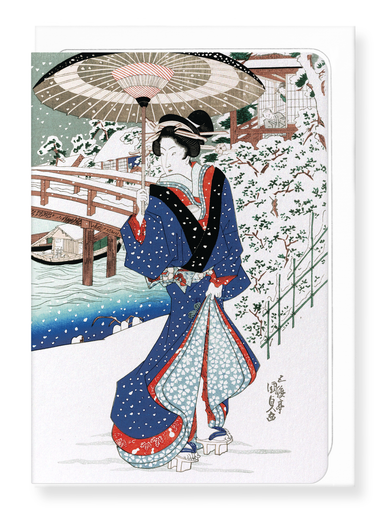
Text on the reverse side:In Asia and the Far East, the umbrella is a symbol of importance and status. It is also associated with the ability to shi...
詳細を全部見る
Greeting card
Text on the reverse side:Mount Fuji has been throughout history one of the biggest inspirations for Japanese artists. One of the most commonly acce...
詳細を全部見る
Greeting card
Text on the reverse side:Design by William Frend De Morgan (1839-1917) who was an English potter, tile designer and novelist. A close and long term...
詳細を全部見る
Greeting card
Text on the reverse side:Elephants symbolise strength and power of the body and spirit, whilst also representing wisdom, loyalty, stability and det...
詳細を全部見る
Greeting card
Text on the reverse side:Temples and shrines often associated themselves with dragons. The mythical being has traditionally been celebrated for its...
詳細を全部見る