Greeting card
FEMININE WAVES
Text on the reverse side:During his final years, Hokusai was in dire financial straits and was invited to move to Obuse by his benefactor. One work...
詳細を全部見る
Greeting card
Text on the reverse side:During his final years, Hokusai was in dire financial straits and was invited to move to Obuse by his benefactor. One work...
詳細を全部見る
Greeting card
Text on the reverse side:A view of the famous Drum bridge in the valley of the Meguro River. The bridge, particularly as it is a bridge over water,...
詳細を全部見る
Greeting card
Text on the reverse side:A contemporary Roman adaptation of a Japanese woodblock print from 1814. The Japanese word for frog is “kaeru”, which can ...
詳細を全部見る
Greeting card
Text on the reverse side:The songbird is a protective spirit associated to poetry and music. The lotus flower is revered for its ability to rise fr...
詳細を全部見る
Greeting card
Text on the reverse side:A contemporary Bishop adaptation of a Japanese woodblock print from 1814. The Japanese word for frog is “kaeru”, which can...
詳細を全部見る
Greeting card
Text on the reverse side:Bridges are viewed as the way to reach a destination, and so they can symbolise a means to overcome obstacles, whilst also...
詳細を全部見る
Greeting card
Text on the reverse side:The Japanese word for monkey, “saru”, is a homonym for the Japanese word “expel”(also pronounced saru), meaning “dispel” o...
詳細を全部見る
Greeting card
Text on the reverse side:Hasui Kawase was one of most prominent print designers of the shin-hanga (new prints) movement. Unlike his contemporaries ...
詳細を全部見る
Greeting card
Text on the reverse side:Yasaka Pagoda, first built in 589, was repeatedly destroyed and burned in war. Always reconstructed to its original form, ...
詳細を全部見る
Greeting card
Text on the reverse side:The full moon, round and illuminated, symbolises completion, a sense of pure clarity, and the realisation of your desires....
詳細を全部見る
Greeting card
Text on the reverse side:This image depicts the area of Beppu with a morning crescent moon. The curve of the moon is affectionately associated with...
詳細を全部見る
Greeting card
Text on the reverse side:Kinryu-zan Senso-ji, Tokyo’s oldest temple, and one of its most significant, is an ancient temple located in Asakusa, Toky...
詳細を全部見る
Greeting card
Text on the reverse side:A contemporary LGBTQ+ adaptation of a Japanese woodblock print dating 1814. The Japanese word for frog is “kaeru”, which c...
詳細を全部見る
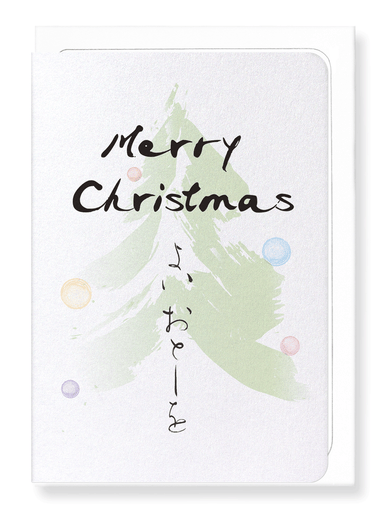
Greeting card
Text on the reverse side:The Japanese calligraphy reads “yoi otoshi wo” translating as “wishing you a good new year.” The New Year is the most impo...
詳細を全部見る
Greeting card
Text on the reverse side:As with other types of transport, the ferry is symbolic of a journey. Traveling from one side to another, it signifies cro...
詳細を全部見る
Greeting card
Text on the reverse side:Hochu Nakamura (active 1790- 1819), a Rinpa school Japanese painter from the middle to late Edo period, was mainly active ...
詳細を全部見る
Greeting card
Text on the reverse side:Kiyomizu Temple was built in 1798 without a single nail and still stands today. The Japanese expression “to jump off the s...
詳細を全部見る
Greeting card
Text on the reverse side:From an envelope produced by Sakuraiya (est. 1841). The company opened their store in Shinkyogoku (Kyoto) in 1895, and clo...
詳細を全部見る
Greeting card
Text on the reverse side:The artist Koson Ohara was a Japanese painter and printmaker in the late 19th and early 20th century. With some 500 works ...
詳細を全部見る
Greeting card
Text on the reverse side:The Japanese name for owl, Fukuro, usually is written with one single character, but can also be written with the combinat...
詳細を全部見る
Greeting card
Text on the reverse side:The wisteria, along with the bridge, made the grounds of this shrine a popular place to enjoy leisurely activities. Monet ...
詳細を全部見る
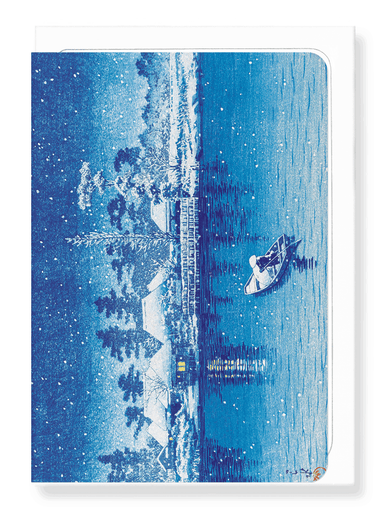
Greeting card
Text on the reverse side:Kobayashi is known for his prints depicting romantic nights and evening scenes, and stand as great examples of Japanese wo...
詳細を全部見る
Greeting card
Text on the reverse side:Symbolising the completion of a day as well as the passage of time, the sunset fills the sky with its magnificent colours,...
詳細を全部見る
Greeting card
Text on the reverse side:It is said that a koi carp swims up rivers and climbs waterfalls. The Japanese associates koi carps with perseverance in a...
詳細を全部見る
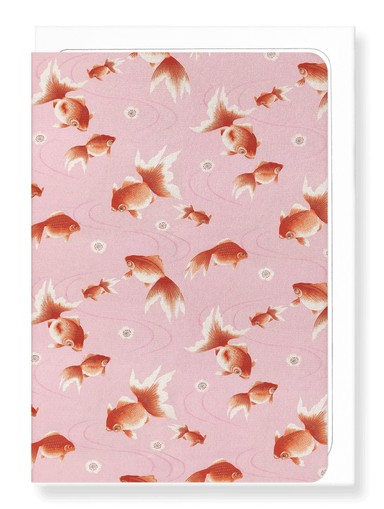
Greeting card
Text on the reverse side:Taken from a design of a summer blanket which belonged to a member of the imperial family of Japan. The goldfish symbolise...
詳細を全部見る
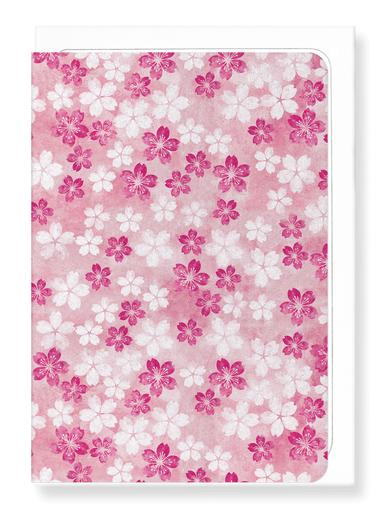
Greeting card
Text on the reverse side:The blooming of cherry blossoms, is a symbol of purity. Their spectacular bloom is enjoyed by many, but for a short period...
詳細を全部見る
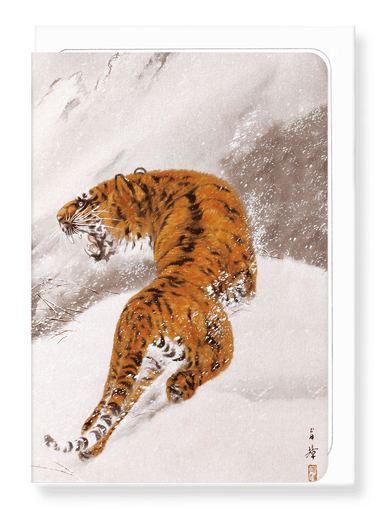
Greeting card
Text on the reverse side:Symbolising invincibility, power and might, the tiger is a highly potent symbol used across many cultures in Asia. Traditi...
詳細を全部見る
Greeting card
Text on the reverse side:A Qing dynasty Chinese emperor adaptation of a Japanese woodblock print from 1814. The Japanese word for frog is "kaeru", ...
詳細を全部見る
Greeting card
Text on the reverse side:A contemporary astronaut adaptation of a Japanese woodblock print from 1814. The Japanese word for frog is “kaeru”, which ...
詳細を全部見る
Greeting card
Text on the reverse side:A Qing dynasty Chinese empress adaptation of a woodblock print from 1814. The Japanese word for frog is "kaeru", which can...
詳細を全部見る
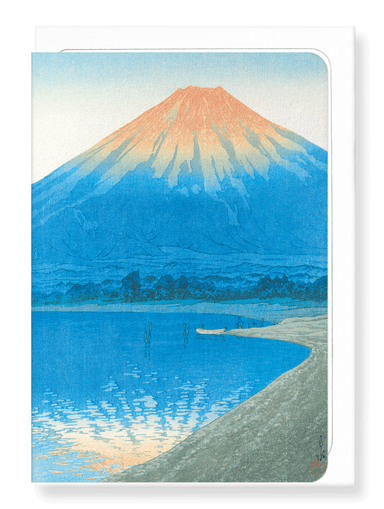
Greeting card
Text on the reverse side:While scholars debate the origin of the sacred mountain’s name “fuji”, one of the most commonly accepted is that the name ...
詳細を全部見る
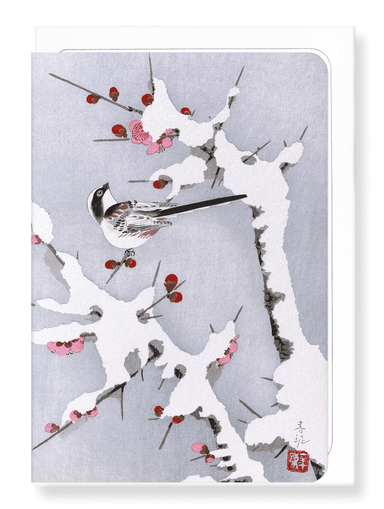
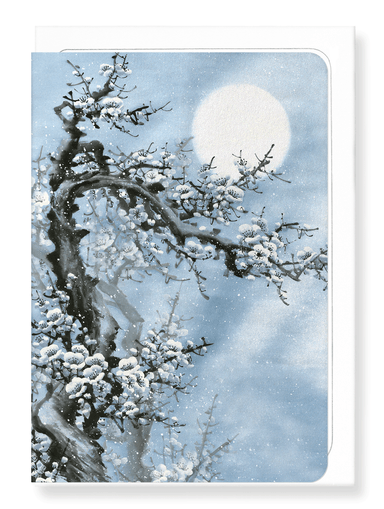
Greeting card
Text on the reverse side:The plum blossom expresses enduring happiness. Used as a congratulatory symbol of good luck, it represents strength, resil...
詳細を全部見る
Greeting card
Text on the reverse side:A contemporary Valentine adaptation of a Japanese woodblock print dating 1814. The Japanese word for frog is “kaeru”, whic...
詳細を全部見る
Greeting card
Text on the reverse side:The five levels of the Japanese pagoda stand for each of the five elements according to Buddhist thought: Earth, Water, Fi...
詳細を全部見る
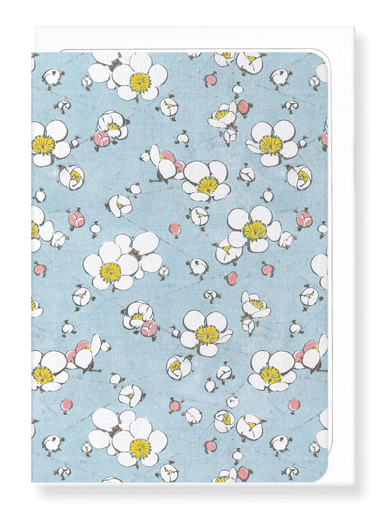
Greeting card
Text on the reverse side:The plum blossom has traditionally been used as a symbol of congratulatory occasions. Blossoming in the bare landscape whe...
詳細を全部見る
Greeting card
Text on the reverse side:Rabbits are associated to cleverness and self-devotion. Woodblock print by Kōno Bairei (1844-1895).