Art Print
THE DRAGON (1860)
From the series Modern Illustrations of Buddhist Precepts (Hasso-ki Imayo Utsushi-e), this print depicts the Buddha riding a great sea dragon. Symb...
詳細を全部見る
Art Print
From the series Modern Illustrations of Buddhist Precepts (Hasso-ki Imayo Utsushi-e), this print depicts the Buddha riding a great sea dragon. Symb...
詳細を全部見る
Art Print
Created during the Qianlong reign of the Qing dynasty, this silk and metal-thread tapestry wrapper was made for the scroll Mingling of Clear and Mu...
詳細を全部見る
Art Print
Painted by Min Zhen during the Qing dynasty, this ink-on-paper album leaf depicts a dragon swirling through misty clouds. The expressive brushwork ...
詳細を全部見る
Art Print
Playful and alert, monkeys scamper among ancient pine boughs. With expressive brushwork and lively composition, the scene captures both nature’s v...
詳細を全部見る
Art Print
A contemporary Fort Nelson adaptation of a Japanese woodblock print from 1814. The Japanese word for frog is “kaeru”, which can also mean “to retur...
詳細を全部見る
Art Print
A contemporary knight in armour adaptation of a Japanese woodblock print dating from 1814. The Japanese word for frog is “kaeru”, which can also me...
詳細を全部見る
Art Print
A playful depiction frogs engaged in a sumo match, blending whimsy with tradition. This charming artwork reflects Japan’s love of nature and humour...
詳細を全部見る
Art Print
A contemporary Korean Hanbok adaptation of a Japanese woodblock print from 1814. The Japanese word for frog is “kaeru”, which can also mean “to ret...
詳細を全部見る
Art Print
In the Joseon dynasty, embroidered badges were crafted by skilled artisans for royalty or officials. Cranes symbolise longevity and purity in Korea...
詳細を全部見る
Art Print
The Joseon dynasty rank badge symbolised authority, with its tiger motif embodying courage, power, and protection in Korean culture. The surroundin...
詳細を全部見る
Art Print
A contemporary Rosetta Stone adaptation of a Japanese woodblock print dating from 1814. The Japanese word for frog is “kaeru”, which can also mean ...
詳細を全部見る
Art Print
Known for their melodic songs and striking plumage, birds symbolise joy, freedom and good fortune, while camellias represent ideal love as well as ...
詳細を全部見る
Art Print
A contemporary flamenco adaptation of a Japanese woodblock print dating 1814. The Japanese word for frog is “kaeru”, which can also mean “to return...
詳細を全部見る
Art Print
A contemporary William Morris adaptation of a Japanese woodblock print dating 1814. The Japanese word for frog is “kaeru”, which can also mean “to ...
詳細を全部見る
Art Print
A contemporary gardener adaptation of a Japanese woodblock print by Koson (1877-1945). Japanese folklore portrays the fox with intelligence and par...
詳細を全部見る
Art Print
A contemporary Scrooge adaptation of a Japanese woodblock print by Koson (1877-1945). Japanese folklore portrays the fox with intelligence and para...
詳細を全部見る
Art Print
Illustration by Anselmus Boëtius de Boodt, featuring ‘hedgehog’ in various languages. The word 'hedgehog' was first used in 1450 and is derived fro...
詳細を全部見る
Art Print
A part of an album including 326 paintings, this piece was painted by Shaikh Zain al-Din. Although the painter was trained in Mughal techniques, th...
詳細を全部見る
Art Print
The Mughal painting depicts the ancient tale of Wag-wag, a mythical island believed to be populated by creatures possessing a unique combination of...
詳細を全部見る
Art Print
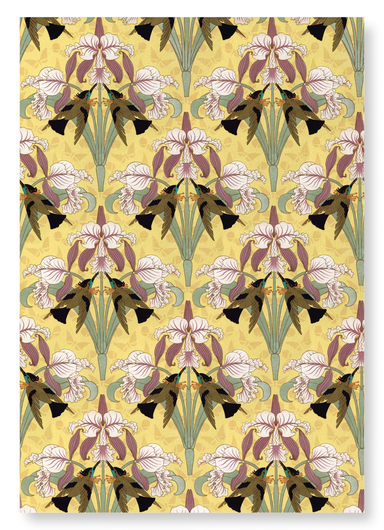
Orchids represent beauty and elegance, whilst hummingbirds are associated with vitality and freedom - both good luck symbols. Maurice Pillard Verne...
詳細を全部見る
Art Print
A contemporary Welsh adaptation of a Japanese woodblock print dating 1814. The Japanese word for frog is “kaeru”, which can also mean “to return”, ...
詳細を全部見る
Art Print
Art Print
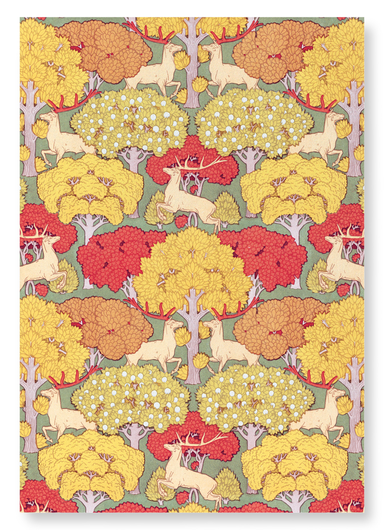
Deer have many meanings across cultures. They are widely recognised as gentle, powerful, and intuitive creatures. Deer also symbolise regeneration ...
詳細を全部見る
Art Print
Most butterflies fly during the day, whereas most moths fly at night except for a few specific species that also fly during the day. Some species o...
詳細を全部見る
Art Print
Illustration from Johnson's household book of nature featuring the common bat, vampire bat, dog headed bat, horseshoe bat and Fruit eating bat.
Art Print
This design is attributed to a bound collection of drawings known as the Hokusai School Sketchbook. Though best known for his painting The Great Wa...
詳細を全部見る
Art Print
A contemporary Christmas adaptation of a Japanese woodblock print by Koson (1877-1945). Japanese folklore portrays the fox with intelligence and pa...
詳細を全部見る
Art Print
The word for bat in Japanese is “komori”. In the Japanese culture, bats are regarded as a symbol of good fortune, and so its image can often be fou...
詳細を全部見る
Art Print
The word for bat in Japanese is “komori”. In the Japanese culture, bats are regarded as a symbol of good fortune, and so its image can often be fou...
詳細を全部見る
Art Print
In many cultures, kingfishers symbolise good fortune, wisdom and happiness. The legend says that this bird brings good luck because it can find hid...
詳細を全部見る
Art Print
Hydrangeas are often depicted in Japanese art due to their wide variety of colours and meanings. Blue Hydrangeas represent compassion, gratitude an...
詳細を全部見る
Art Print
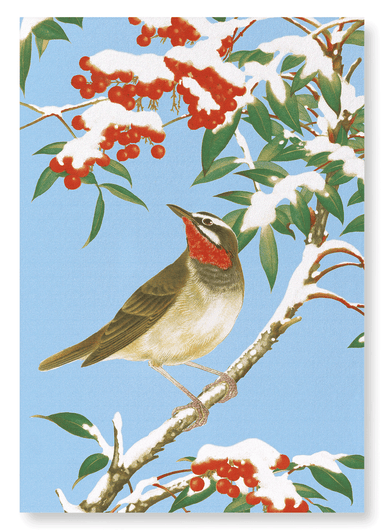
Nandina, is also called the heavenly bamboo taking its name from its bamboo-like branches. They can often be seen in Japanese gardens and doorways ...
詳細を全部見る
Art Print
In Japanese culture, the pine tree symbolises longevity and perseverance due to their ability to survive in the toughest climates. They also repres...
詳細を全部見る
Art Print
In Japanese culture, bullfinches are thought to be messengers of the god of learning. The birds also represent good fortune, forgiveness and succes...
詳細を全部見る
Art Print
The blue and white flycatcher is one of Japan’s three designated songbirds and symbolises the arrival of summer. The beautiful magnolia tree symbol...
詳細を全部見る
Art Print
The warbling white-eye is often depicted in Japanese art and symbolises good fortune. Known for their distinctive colours and beautiful, unique son...
詳細を全部見る