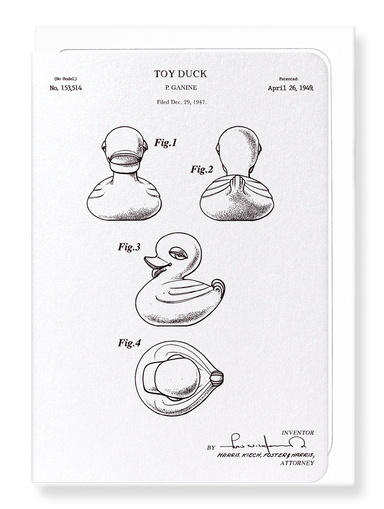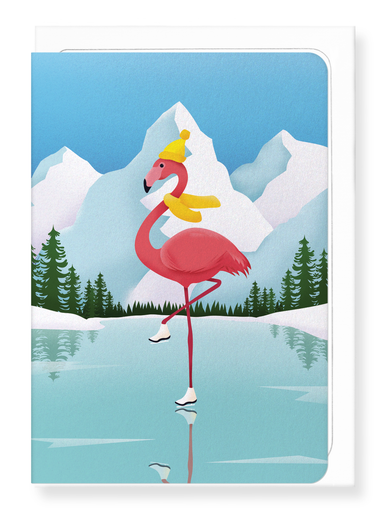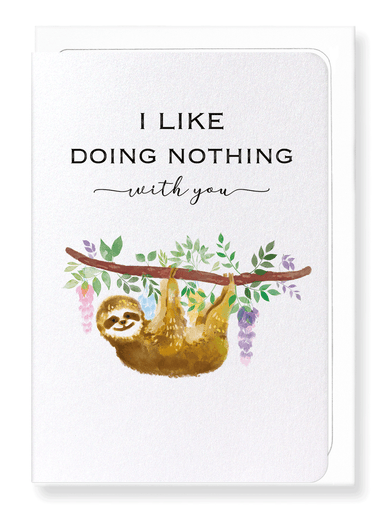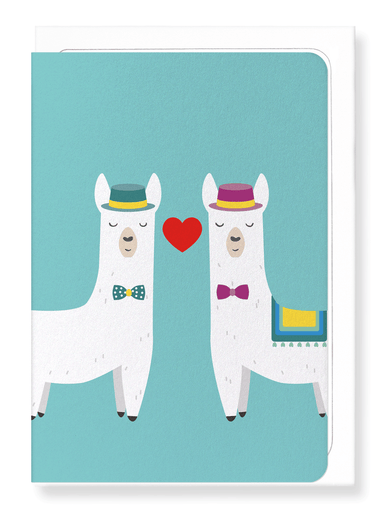
Greeting card
BIRD (C.1877)
Text on the reverse side:By British textile designer and potter William Morris (1834-1896). This pattern was designed for the walls of the drawing ...
詳細を全部見る
Greeting card
Text on the reverse side:By British textile designer and potter William Morris (1834-1896). This pattern was designed for the walls of the drawing ...
詳細を全部見る
Greeting card
Text on the reverse side:During the colder times of the year, many of the Great Flamingos in Asia migrate to warmer climates. The migration only ha...
詳細を全部見る
Greeting card
Text on the reverse side:The most famously slow animal, the sloth, is known for its love of naps and always sleeping. However, this is a bit of a m...
詳細を全部見る
Greeting card
Text on the reverse side:Llamas are said to have originated from the central plains of North America around 40 million years ago. It is only around...
詳細を全部見る
Greeting card
Text on the reverse side: A contemporary Korean Hanbok adaptation of a Japanese woodblock print from 1814. The Japanese word for frog is “kaeru”, ...
詳細を全部見る
Greeting card
Text on the reverse side: A contemporary New York adaptation of a Japanese woodblock print from 1814. The Japanese word for frog is “kaeru”, which...
詳細を全部見る
Greeting card
Text on the reverse side: A contemporary Henry VIII adaptation of a Japanese woodblock print dating 1814. The Japanese word for frog is “kaeru”, w...
詳細を全部見る
Greeting card
Text on the reverse side: A contemporary Royal Guard adaptation of a Japanese woodblock print dating 1814. The Japanese word for frog is “kaeru”, ...
詳細を全部見る
Greeting card
Text on the reverse side: A contemporary Uncle Sam adaptation of a Japanese woodblock print dating 1814. The Japanese word for frog is “kaeru”, wh...
詳細を全部見る
Greeting card
Text on the reverse side: A contemporary baseball adaptation of a Japanese woodblock print dating 1814. The Japanese word for frog is “kaeru”, whi...
詳細を全部見る
Greeting card
Text on the reverse side: This rare Chinese chair strip features two dragons—one soaring through the sky, the other emerging from the sea—symbolis...
詳細を全部見る
Greeting card
Text on the reverse side: Painted by Min Zhen during the Qing dynasty, this ink-on-paper album leaf depicts a dragon swirling through misty clouds...
詳細を全部見る
Greeting card
Text on the reverse side:A contemporary train driver adaptation of a Japanese woodblock print dating from 1814. The Japanese word for frog is “kaer...
詳細を全部見る
Greeting card
Text on the reverse side:The Joseon dynasty rank badge symbolised authority, with its tiger motif embodying courage, power, and protection in Korea...
詳細を全部見る
Greeting card
Text on the reverse side:Illustration from Johnson's household book of nature featuring the common bat, vampire bat, dog headed bat, horseshoe bat ...
詳細を全部見る
Greeting card
Text on the reverse side:In Japanese culture, the pine tree symbolises longevity and perseverance due to their ability to survive in the toughest c...
詳細を全部見る
Greeting card
Text on the reverse side:A contemporary pink adaptation of a Japanese woodblock print dating 1814. The Japanese word for frog is “kaeru”, which can...
詳細を全部見る
Greeting card
Text on the reverse side:A contemporary orange adaptation of a Japanese woodblock print dating 1814. The Japanese word for frog is “kaeru”, which c...
詳細を全部見る
Greeting card
Text on the reverse side:The egret is appreciated as an auspicious symbol in many cultures. In China, the egret symbolises strength, purity, patien...
詳細を全部見る
Greeting card
Text on the reverse side:The design comes from tiles made by Minton Hollins in the late 19th century. Produced during the Aesthetic Movement in Bri...
詳細を全部見る
Greeting card
Text on the reverse side:Associated with loyalty and fidelity, the swallow represents everlasting care and affection towards family, friends and lo...
詳細を全部見る
Greeting card
Text on the reverse side: Macaws are some of the biggest parrots. With their striking feathers, they represent unique flair, and the courage to ke...
詳細を全部見る
Greeting card
Text on the reverse side:The parrot is symbolic of the ability to focus on goals with confidence, whilst reminding us to stay alert to see new idea...
詳細を全部見る
Greeting card
Text on the reverse side:The goldfish has also come to symbolise wealth in Chinese culture stemming from the fact that the Chinese word for fish (y...
詳細を全部見る
Greeting card
Text on the reverse side:Japanese camellia, or tsubaki in Japanese, is one of the best known species of the genus Camellia. The flower represents a...
詳細を全部見る
Greeting card
Text on the reverse side:Tiles of glazed earthenware by English potter and tile designer William de Morgan (1839-1917). Peacocks with their gracef...
詳細を全部見る
Greeting card
Text on the reverse side:In 1992, 28,000 rubber ducks were lost at sea from a shipping crate from Hong Kong to USA. Some have washed up on the shor...
詳細を全部見る
Greeting card
Text on the reverse side:The Japanese name for owl, Fukuro, usually is written with one single character, but can also be written with the combinat...
詳細を全部見る
Greeting card
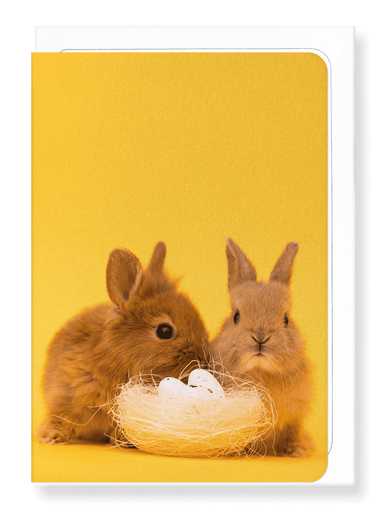
Text on the reverse side:It is said that the concept of the Easter bunny giving candies and eggs originated in Germany during the Middle Ages. The ...
詳細を全部見る
Greeting card
Text on the reverse side:American black-and-white science fiction giant monster film from Universal-International, directed by Jack Arnold who said...
詳細を全部見る
Greeting card
Text on the reverse side:Elephants often appear in religion and mythology as symbols of strength and wisdom. African fables often portray them as w...
詳細を全部見る
Greeting card
Text on the reverse side:Apparently, owl couples maintain relationships that can last one breeding season, but many of them last a lifetime.
Greeting card
Text on the reverse side:Chick - most likely is a derivative from the spanish word "chica", is embraced today as a positive term of self-reference ...
詳細を全部見る
Greeting card
Text on the reverse side:A little advice on champagne drinking: Since the bubbles in champagne can cause the alcohol to enter the bloodstream faste...
詳細を全部見る
Greeting card
Text on the reverse side:It is said that a koi carp swims up rivers and climbs waterfalls. The Japanese associates koi carps with perseverance in a...
詳細を全部見る
Greeting card
Text on the reverse side: The waxwing bird is believed to teach selflessness and generosity. This artwork is a Japanese woodblock print by the art...
詳細を全部見る