Greeting card
BLUE EZEN FROG
Text on the reverse side:A contemporary blue adaptation of a woodblock print from 1814 by Matsumoto Hoji. The Japanese word for frog is “kaeru”, wh...
詳細を全部見る
Greeting card
Text on the reverse side:A contemporary blue adaptation of a woodblock print from 1814 by Matsumoto Hoji. The Japanese word for frog is “kaeru”, wh...
詳細を全部見る
Greeting card
Text on the reverse side:The goose never leaves one of its own kind behind. This auspicious animal is related to the virtue of cooperation, teamwor...
詳細を全部見る
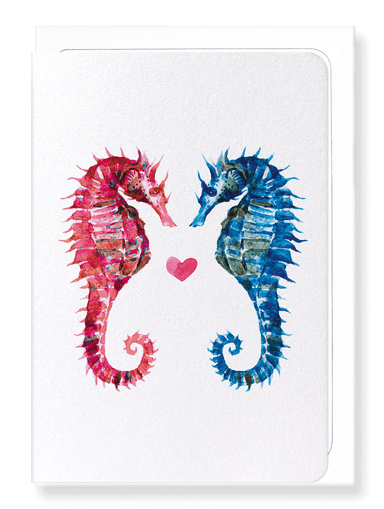
Greeting card
Text on the reverse side:Surprisingly, humans and seahorses have some traits in common. Just like us, every individual seahorse has a unique physiq...
詳細を全部見る
Greeting card
Text on the reverse side: A contemporary gardener adaptation of a Japanese woodblock print by Koson (1877-1945). Japanese folklore portrays the fo...
詳細を全部見る
Greeting card
Text on the reverse side:Japanese brush painting from the Edo period attributed to Soga Nichokuan. Dragons first appear in Japanese literature dati...
詳細を全部見る
Greeting card
Text on the reverse side:The goose never leaves one of its own kind behind. This auspicious animal is related to the virtue of cooperation, teamwor...
詳細を全部見る
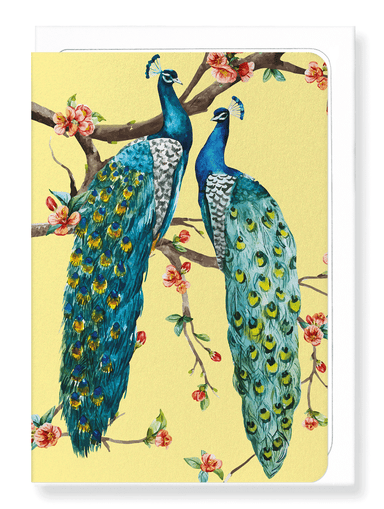
Greeting card
Text on the reverse side:In Greco-Roman mythology, the peacock tail was said to have the "eyes" of the stars. Peacocks, their graceful beauty, symb...
詳細を全部見る
Greeting card
Text on the reverse side: A contemporary Sherlock Holmes adaptation of a Japanese woodblock print by Koson (1877-1945). Japanese folklore portrays...
詳細を全部見る
Greeting card
Text on the reverse side: The word for bat in Japanese is “komori”. In the Japanese culture, bats are regarded as a symbol of good fortune, and so...
詳細を全部見る
Greeting card
Text on the reverse side:The blue and white flycatcher is one of Japan’s three designated songbirds and symbolises the arrival of summer. The beaut...
詳細を全部見る
Greeting card
Text on the reverse side:The willow tree is a symbol of grace and strength, and the swallow symbolises triumph and success - a very auspicious pair...
詳細を全部見る
Greeting card
Text on the reverse side:The egret is appreciated as an auspicious symbol in many cultures. In China, the egret symbolises strength, purity, patien...
詳細を全部見る
Greeting card
Text on the reverse side:The egret is appreciated as an auspicious symbol in many cultures. In China, the egret symbolises strength, purity, patien...
詳細を全部見る
Greeting card
Text on the reverse side:A contemporary film director adaptation of a Japanese woodblock print from 1814. The Japanese word for frog is “kaeru”, wh...
詳細を全部見る
Greeting card
Text on the reverse side:The warbling white-eye is often depicted in Japanese art and symbolises good fortune. Known for their distinctive colours ...
詳細を全部見る
Greeting card
Text on the reverse side:In Japanese culture, bullfinches are thought to be messengers of the god of learning. The birds also represent good fortun...
詳細を全部見る
Greeting card
Text on the reverse side:It is said that a koi carp swims up rivers and climbs waterfalls. The Japanese associates koi carps with perseverance in a...
詳細を全部見る
Greeting card
Text on the reverse side:The goose never leaves one of its own kind behind. This auspicious animal is related to the virtue of cooperation, teamwor...
詳細を全部見る
Greeting card
Text on the reverse side:The eagle symbolises leadership with its sharp wit and focused eyesight. Flying high with powerful vision and intelligence...
詳細を全部見る
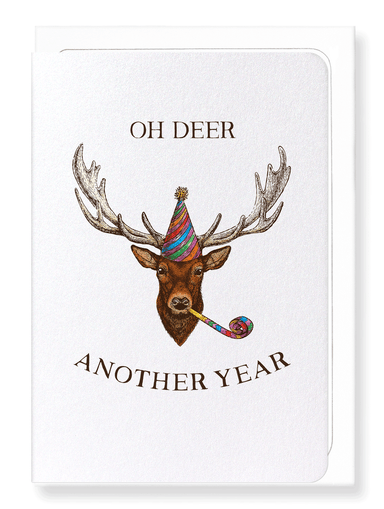
Greeting card
Text on the reverse side:Deer antlers are the fastest growing tissue on the planet, where at their peak, they can expand an inch every two days.
Greeting card
Text on the reverse side:A contemporary Rosetta Stone adaptation of a Japanese woodblock print dating from 1814. The Japanese word for frog is “kae...
詳細を全部見る
Greeting card
Text on the reverse side:A contemporary flamenco adaptation of a Japanese woodblock print dating 1814. The Japanese word for frog is “kaeru”, which...
詳細を全部見る
Greeting card
Text on the reverse side:According to the Japanese folk belief the crow was thought to be a messenger of the gods. It is also associated with the p...
詳細を全部見る
Greeting card
Text on the reverse side:A woodcut by the Dutch graphic artist and painter Julie de Graag (1877-1924). Linked to wisdom and intuitive knowledge and...
詳細を全部見る
Greeting card
Text on the reverse side:A contemporary pilot adaptation of a Japanese woodblock print from 1814. The Japanese word for frog is “kaeru”, which can ...
詳細を全部見る
Greeting card
Text on the reverse side:The warbling white-eye is a native species in Japan and often depicted in Japanese art. The persimmon fruit symbolises suc...
詳細を全部見る
Greeting card
Text on the reverse side:Ducks symbolise protection, adaptability, emotional strength and the gift of intuition. They represent the importance of l...
詳細を全部見る
Greeting card
Text on the reverse side: The eagle symbolises leadership with its sharp wit and focused eyesight. Flying high with powerful vision and intelligen...
詳細を全部見る
Greeting card
Text on the reverse side:According to Greek mythology, the peacock was a physical representation of Hera, the Queen of the Gods. Mainly found in As...
詳細を全部見る
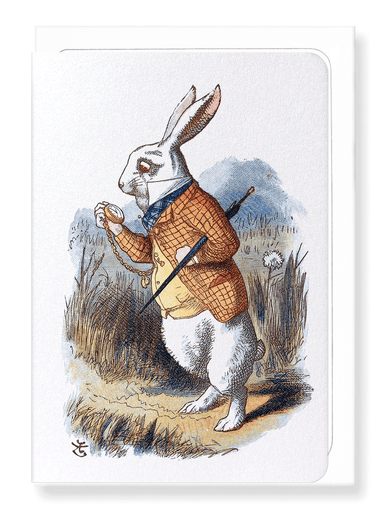
Greeting card
Text on the reverse side:Illustration by John Tenniel (1820-1914) from Alice’s Adventures in Wonderland. Depicted is the White Rabbit saying to its...
詳細を全部見る
Greeting card
Text on the reverse side:Kingfishers are symbolic of freedom, courage and balance. The iris is associated with faith, hope, valour, and wisdom. It ...
詳細を全部見る
Greeting card
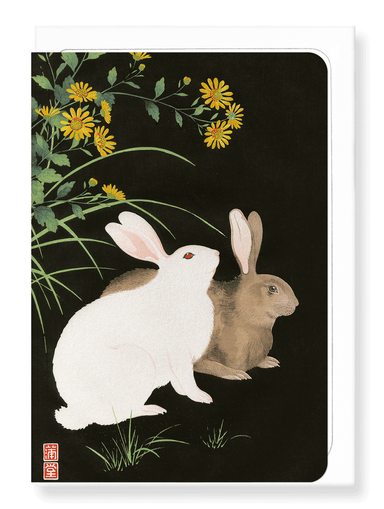
Text on the reverse side:Rabbits can be found living on every continent of the world (except Antarctica) and so they appear in various tales, mytho...
詳細を全部見る
Greeting card
Text on the reverse side:The crane is revered as a national treasure in Japan, and has long been seen as a symbol of longevity and good fortune, as...
詳細を全部見る
Greeting card
Text on the reverse side:An engraving by the Dutch artist Cornelis Bloemaert II (1603-1692). The text below in Dutch reads "Wat baet keers off bril...
詳細を全部見る
Greeting card
Text on the reverse side:The Japanese word for monkey, “saru’” is a homonym for the Japanese word “expel” (also pronounced saru), meaning “dispel” ...
詳細を全部見る
Greeting card
Text on the reverse side:Although Easter is a religious holiday, Easter eggs originated from pagan traditions. As a symbol of new life, the egg was...
詳細を全部見る