Bookmark
MONKEY IN A TREE
Text on the reverse side: The Japanese word for monkey, “saru”, is a homonym for the Japanese word “expel”(also pronounced saru), meaning “dispel”...
詳細を全部見る
Bookmark
Text on the reverse side: The Japanese word for monkey, “saru”, is a homonym for the Japanese word “expel”(also pronounced saru), meaning “dispel”...
詳細を全部見る
Bookmark
Text on the reverse side: A contemporary Roman/Greek goddess adaptation of a Japanese woodblock print dating 1814. The Japanese word for frog is “...
詳細を全部見る
Bookmark
Text on the reverse side: A contemporary Lady Gatsby adaptation of a Japanese woodblock print dating 1814. The Japanese word for frog is “kaeru”, ...
詳細を全部見る
Bookmark
Text on the reverse side: The parrot symbolism is said to invoke hope, promise and the ability to achieve new goals with confidence. The bird also...
詳細を全部見る
Bookmark
Text on the reverse side: A part of an album including 326 paintings, this piece was painted by Shaikh Zain al-Din. Although the painter was train...
詳細を全部見る
Greeting card
Text on the reverse side:Kingfishers are symbolic of freedom, courage and balance. The iris is associated with faith, hope, valour, and wisdom. It ...
詳細を全部見る
Greeting card
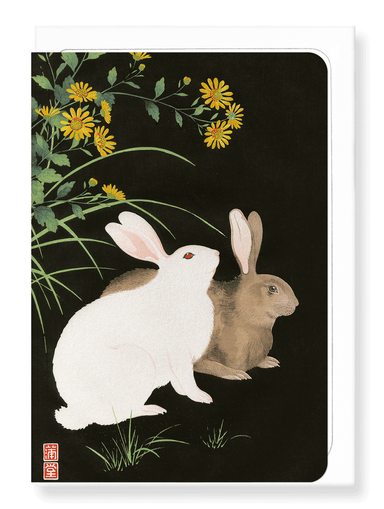
Text on the reverse side:Rabbits can be found living on every continent of the world (except Antarctica) and so they appear in various tales, mytho...
詳細を全部見る
Greeting card
Text on the reverse side:The crane is revered as a national treasure in Japan, and has long been seen as a symbol of longevity and good fortune, as...
詳細を全部見る
Greeting card
Text on the reverse side:An engraving by the Dutch artist Cornelis Bloemaert II (1603-1692). The text below in Dutch reads "Wat baet keers off bril...
詳細を全部見る
Greeting card
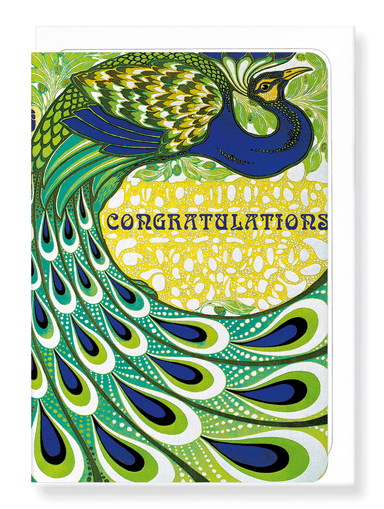
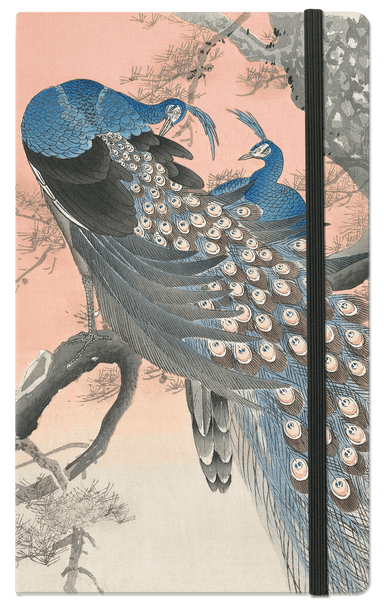
Text on the reverse side:The peacock as a good luck symbol represents nobility, holiness, guidance, protection, whilst also reminding us the beauty...
詳細を全部見る
Greeting card
Text on the reverse side:The Japanese word for monkey, “saru’” is a homonym for the Japanese word “expel” (also pronounced saru), meaning “dispel” ...
詳細を全部見る
Greeting card
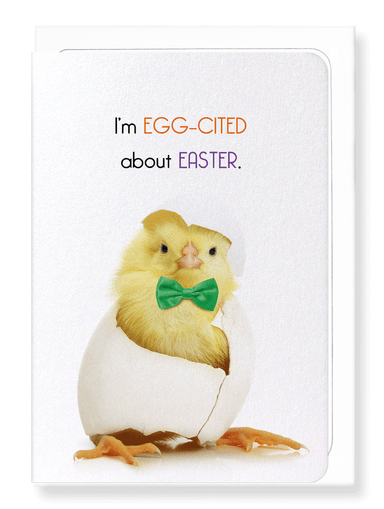
Text on the reverse side:Although Easter is a religious holiday, Easter eggs originated from pagan traditions. As a symbol of new life, the egg was...
詳細を全部見る
Greeting card
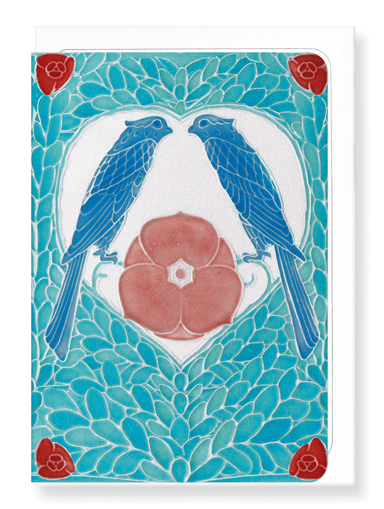
Text on the reverse side:The image based on an antique tile by Minton Hollins & Co. Birds in several ancient cultures, symbolise the human soul...
詳細を全部見る
Art Print
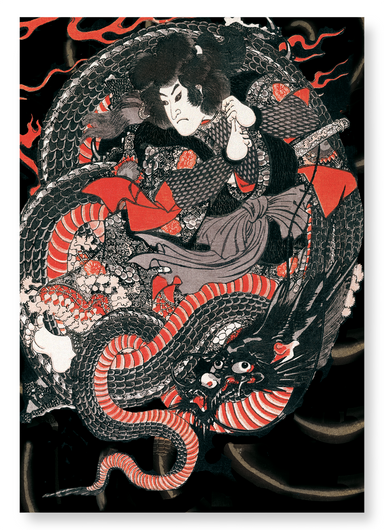
The first time that dragons appeared in Japanese text dates back to 680 AD. Dragons in Asia are regarded as generous, benevolent forces that use t...
詳細を全部見る
Art Print
Commonly the deer represents the power to deal with challenges and the ability to be swift and vigilant, calling for people to trust their instinct...
詳細を全部見る
Greeting card
Text on the reverse side: A contemporary Statue of Liberty adaptation of a Japanese woodblock print dating 1814. The Japanese word for frog is “ka...
詳細を全部見る
Bookmark
Text on the reverse side: A contemporary knight in armour adaptation of a Japanese woodblock print dating from 1814. The Japanese word for frog is...
詳細を全部見る
Bookmark
Text on the reverse side: A contemporary Royal Guard adaptation of a Japanese woodblock print dating 1814. The Japanese word for frog is “kaeru”, ...
詳細を全部見る
Art Print
Une adaptation d'une estampe japonaise de 1814. Le mot japonais pour grenouille est "kaeru", qui peut aussi signifier "revenir". La grenouille est ...
詳細を全部見る
Greeting card
Text on the reverse side: A contemporary coal miner adaptation of a Japanese woodblock print dating from 1814. The Japanese word for frog is “kaer...
詳細を全部見る
Bookmark
Text on the reverse side: The crane has long been seen as a symbol of longevity and good fortune as it was thought to have a life span of a thousa...
詳細を全部見る
Art Print
A contemporary Sherlock Holmes adaptation of a Japanese woodblock print by Koson (1877-1945). Japanese folklore portrays the fox with intelligence ...
詳細を全部見る
Greeting card
Text on the reverse side:The word for bat in Japanese is “komori”. In the Japanese culture, bats are regarded as a symbol of good fortune, and so i...
詳細を全部見る
Greeting card
Text on the reverse side:In many cultures, kingfishers symbolise good fortune, wisdom and happiness. The legend says that this bird brings good luc...
詳細を全部見る
Greeting card
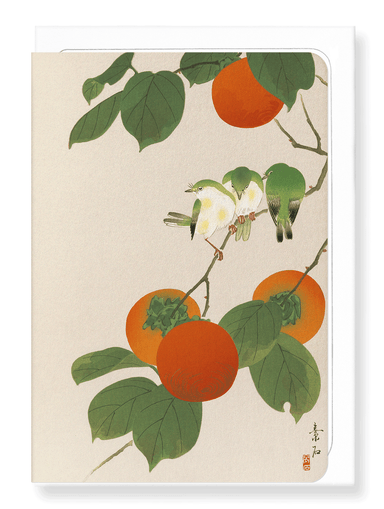
Text on the reverse side:The warbling white-eye, also known as the Japanese white-eye, is a native species in Japan and often depicted in Japanese ...
詳細を全部見る
Art Print
A symbol of enduring happiness, the plum blossom has traditionally been used as a decorative symbol for congratulatory occasions and good luck, rep...
詳細を全部見る
Art Print
It is said that a koi carp swims up rivers and climbs waterfalls. The Japanese associates koi carps with perseverance in adversity, strength of pur...
詳細を全部見る
Art Print
Chinese people believe a full moon is a symbol of peace, prosperity, and family reunion. In Japan, a country where many symbolisms come from China,...
詳細を全部見る
Art Print
The artist Koson Ohara was a Japanese painter and printmaker in the late 19th and early 20th century. With some 500 works to his name, he was the m...
詳細を全部見る
Greeting card
Text on the reverse side:One or two glasses of red wine per day can make you live longer. Grape skin naturally contains many antioxidants, which pr...
詳細を全部見る
Greeting card
Text on the reverse side:Ducks symbolise protection, adaptability, emotional strength and the gift of intuition. They represent the importance of l...
詳細を全部見る
Notebook
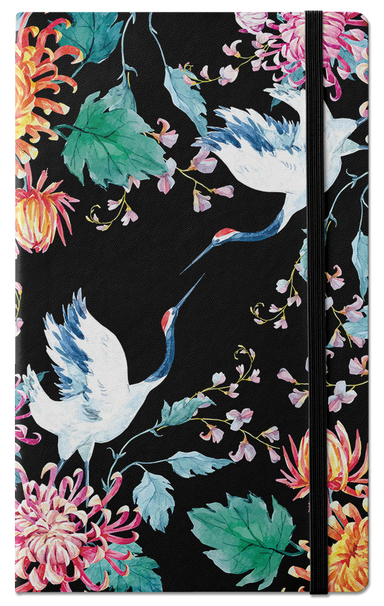
Play the video to witness the exquisite detail Lined notebook 21.5cm x 13cm Produced from responsibly and sustainable sourced paper Artwork prod...
詳細を全部見る
Notebook
Lined notebook 21.5cm x 13cm Produced from responsibly and sustainable sourced paper Artwork production in our London studio Personalisation ava...
詳細を全部見る
Art Print
The waxwing totem is believed to teach selflessness whilst encouraging us to give to others for their benefit, without calculating. The image is of...
詳細を全部見る
Art Print
The Japanese word for monkey, “saru”, is a homonym for the Japanese word “expel”(also pronounced saru), meaning “dispel” or “push away”. This has g...
詳細を全部見る
Bookmark
Text on the reverse side: A contemporary Henry VIII adaptation of a Japanese woodblock print dating 1814. The Japanese word for frog is “kaeru”, w...
詳細を全部見る