Art Print
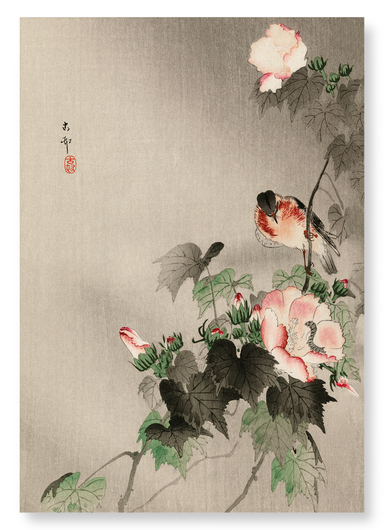
EGRET IN THE RAIN
The egret is appreciated as an auspicious symbol in many cultures. In China, the egret symbolises strength, purity, patience and long life.
Art Print
The egret is appreciated as an auspicious symbol in many cultures. In China, the egret symbolises strength, purity, patience and long life.
Art Print
A contemporary scientist adaptation of a Japanese woodblock print dating from 1814. The Japanese word for frog is “kaeru”, which can also mean “to ...
詳細を全部見る
Art Print
A contemporary Welsh lady adaptation of a Japanese woodblock print dating 1814. The Japanese word for frog is “kaeru”, which can also mean “to retu...
詳細を全部見る
Greeting card
Text on the reverse side:A contemporary blue adaptation of a woodblock print from 1814 by Matsumoto Hoji. The Japanese word for frog is “kaeru”, wh...
詳細を全部見る
Art Print
In China, the heron represents strength, purity, patience and long life. In other cultures, the heron carries positive symbolisms, from representin...
詳細を全部見る
Greeting card
Text on the reverse side:The goose never leaves one of its own kind behind. This auspicious animal is related to the virtue of cooperation, teamwor...
詳細を全部見る
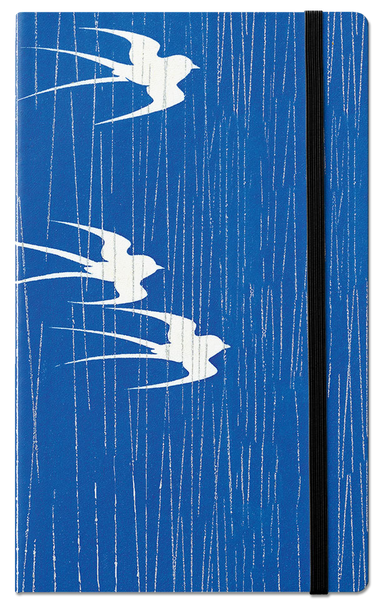
Notebook
Play the video to witness the exquisite detail Lined notebook 21.5cm x 13cm Produced from responsibly and sustainable sourced paper Artwork pr...
詳細を全部見る
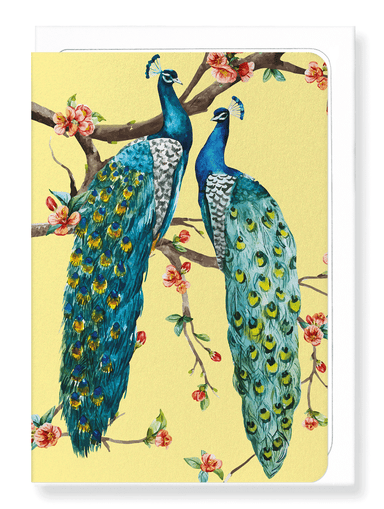
Greeting card
Text on the reverse side:In Greco-Roman mythology, the peacock tail was said to have the "eyes" of the stars. Peacocks, their graceful beauty, symb...
詳細を全部見る
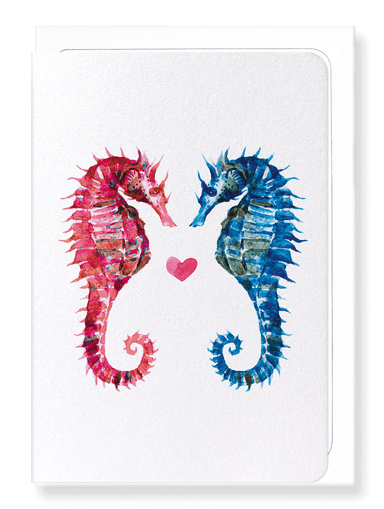
Greeting card
Text on the reverse side:Surprisingly, humans and seahorses have some traits in common. Just like us, every individual seahorse has a unique physiq...
詳細を全部見る
Greeting card
Text on the reverse side:A contemporary pilot adaptation of a Japanese woodblock print from 1814. The Japanese word for frog is “kaeru”, which can ...
詳細を全部見る
Bookmark
Text on the reverse side: A contemporary scientist adaptation of a Japanese woodblock print dating from 1814. The Japanese word for frog is “kaeru...
詳細を全部見る
Bookmark
Text on the reverse side: A contemporary film director adaptation of a Japanese woodblock print from 1814. The Japanese word for frog is “kaeru”, ...
詳細を全部見る
Greeting card
Text on the reverse side:It is said that a koi carp swims up rivers and climbs waterfalls. The Japanese associates koi carps with perseverance in a...
詳細を全部見る
Greeting card
Text on the reverse side:Japanese brush painting from the Edo period attributed to Soga Nichokuan. Dragons first appear in Japanese literature dati...
詳細を全部見る
Greeting card
Text on the reverse side:The goose never leaves one of its own kind behind. This auspicious animal is related to the virtue of cooperation, teamwor...
詳細を全部見る
Art Print
A contemporary cowboy adaptation of a Japanese woodblock print dating 1814. The Japanese word for frog is “kaeru”, which can also mean “to return”,...
詳細を全部見る
Greeting card
Text on the reverse side: A contemporary Sherlock Holmes adaptation of a Japanese woodblock print by Koson (1877-1945). Japanese folklore portrays...
詳細を全部見る
Art Print
A contemporary army adaptation of a Japanese woodblock print from 1814. The Japanese word for frog is “kaeru”, which can also mean “to return”, so ...
詳細を全部見る
Greeting card
Text on the reverse side:The blue and white flycatcher is one of Japan’s three designated songbirds and symbolises the arrival of summer. The beaut...
詳細を全部見る
Greeting card
Text on the reverse side:The willow tree is a symbol of grace and strength, and the swallow symbolises triumph and success - a very auspicious pair...
詳細を全部見る
Greeting card
Text on the reverse side:The egret is appreciated as an auspicious symbol in many cultures. In China, the egret symbolises strength, purity, patien...
詳細を全部見る
Art Print
The egret is appreciated as an auspicious symbol in many cultures. In China, the egret symbolises strength, purity, patience and long life.
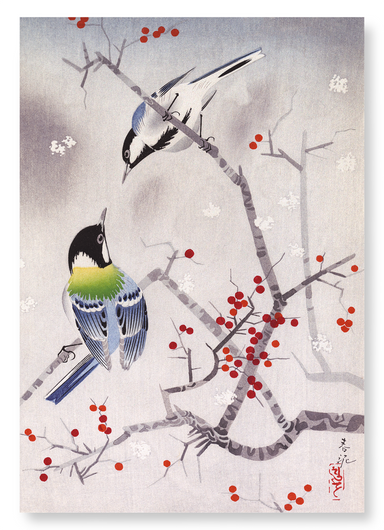
Art Print
The name nandina (also known as heavenly bamboo or sacred bamboo in Japan and China) with sprays of bright red berries, is used for celebrations an...
詳細を全部見る
Art Print
The artist Koson Ohara was a Japanese painter and printmaker in the late 19th and early 20th century. With some 500 works to his name, he was the m...
詳細を全部見る
Art Print
Expressive of enduring happiness, the plum blossom has traditionally been used as a decorative symbol of congratulatory occasions and good luck, re...
詳細を全部見る
Greeting card
Text on the reverse side:The egret is appreciated as an auspicious symbol in many cultures. In China, the egret symbolises strength, purity, patien...
詳細を全部見る
Greeting card
Text on the reverse side:The goose never leaves one of its own kind behind. This auspicious animal is related to the virtue of cooperation, teamwor...
詳細を全部見る
Greeting card
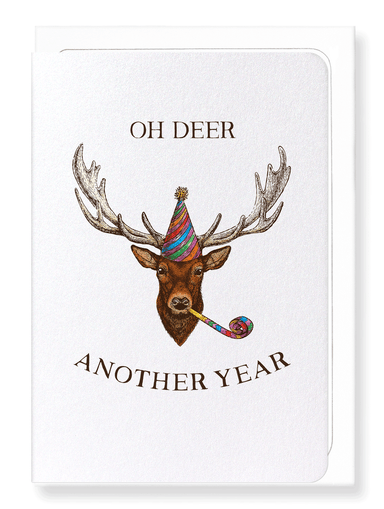
Text on the reverse side:Deer antlers are the fastest growing tissue on the planet, where at their peak, they can expand an inch every two days.
Art Print
The goldfish has also come to symbolise wealth in Chinese culture stemming from the fact that the Chinese word for fish (yú) is pronounced very sim...
詳細を全部見る
Art Print
A contemporary Shakespeare adaptation of a Japanese woodblock print dating 1814. The Japanese word for frog is “kaeru”, which can also mean “to ret...
詳細を全部見る
Bookmark
Text on the reverse side: In a delicate dance of yearning, gibbons stretch beneath a moonlit sky—an age-old symbol of illusion and desire. This 17...
詳細を全部見る
Greeting card
Text on the reverse side:A contemporary film director adaptation of a Japanese woodblock print from 1814. The Japanese word for frog is “kaeru”, wh...
詳細を全部見る
Bookmark
Text on the reverse side: Illustration by Anselmus Boëtius de Boodt, featuring ‘hedgehog’ in various languages. The word 'hedgehog' was first used...
詳細を全部見る
Bookmark
Text on the reverse side: A contemporary Bishop adaptation of a Japanese woodblock print from 1814. The Japanese word for frog is “kaeru”, which c...
詳細を全部見る
Greeting card
Text on the reverse side:The warbling white-eye is often depicted in Japanese art and symbolises good fortune. Known for their distinctive colours ...
詳細を全部見る
Greeting card
Text on the reverse side:In Japanese culture, bullfinches are thought to be messengers of the god of learning. The birds also represent good fortun...
詳細を全部見る