Greeting card
WHITE PEACOCK
Text on the reverse side:White is the colour of purity, innocence, wholeness and completion. In this image, these attributes are combined with the ...
詳細を全部見る
Greeting card
Text on the reverse side:White is the colour of purity, innocence, wholeness and completion. In this image, these attributes are combined with the ...
詳細を全部見る
Greeting card
Text on the reverse side:In the Japanese system of Hana-kotoba (flower meanings), the magnolia flower means the sublime, and love of nature, reinvi...
詳細を全部見る
Greeting card
Text on the reverse side:The name nandina (also known as heavenly bamboo or sacred bamboo in Japan and China) with sprays of bright red berries, is...
詳細を全部見る
Greeting card
Text on the reverse side:A contemporary army adaptation of a Japanese woodblock print from 1814. The Japanese word for frog is “kaeru”, which can a...
詳細を全部見る
Greeting card
Text on the reverse side:Elephants symbolise strength and power of the body and spirit, whilst also representing wisdom, loyalty, stability and det...
詳細を全部見る
Greeting card
Text on the reverse side:Temples and shrines often associated themselves with dragons. The mythical being has traditionally been celebrated for its...
詳細を全部見る
Greeting card
Text on the reverse side:A contemporary Scrooge adaptation of a Japanese woodblock print by Koson (1877-1945). Japanese folklore portrays the fox w...
詳細を全部見る
Greeting card
Text on the reverse side:The egret is appreciated as an auspicious symbol in many cultures. In China, the egret symbolises strength, purity, patien...
詳細を全部見る
Greeting card
Text on the reverse side:A contemporary scientist adaptation of a Japanese woodblock print dating from 1814. The Japanese word for frog is “kaeru”,...
詳細を全部見る
Greeting card
Text on the reverse side:A contemporary goddess adaptation of a Japanese woodblock print dating 1814. The Japanese word for frog is “kaeru”, which ...
詳細を全部見る
Greeting card
Text on the reverse side:The artist Koson Ohara was a Japanese painter and printmaker in the late 19th and early 20th century. With some 500 works ...
詳細を全部見る
Greeting card
Text on the reverse side:The artist Koson Ohara was a Japanese painter and printmaker in the late 19th and early 20th century. With some 500 works ...
詳細を全部見る
Greeting card
Text on the reverse side:Commonly the deer represents the power to deal with challenges and the ability to be swift and vigilant, calling for peopl...
詳細を全部見る
Greeting card
Text on the reverse side:The butterfly can symbolise lightness and playfulness, whilst representing the powerful meaning of transformation, growth ...
詳細を全部見る
Greeting card
Text on the reverse side:A contemporary martial arts adaptation of a Japanese woodblock print dating 1814. The Japanese word for frog is “kaeru”, w...
詳細を全部見る
Greeting card
Text on the reverse side:The egret is appreciated as an auspicious symbol in many cultures. In China, the egret symbolises strength, purity, patien...
詳細を全部見る
Greeting card
Text on the reverse side:Expressive of enduring happiness, the plum blossom has traditionally been used as a decorative symbol of congratulatory oc...
詳細を全部見る
Greeting card
Text on the reverse side:As a sturdy plant able to grow in the harshest environment, the ivy symbolises perennial life and immortality. By Japanese...
詳細を全部見る
Greeting card
Text on the reverse side:In Japan, the monkey is a sacred guardian against negativity and misfortune. The persimmon fruit is a symbol of transforma...
詳細を全部見る
Greeting card
Text on the reverse side:The egret is appreciated as an auspicious symbol in many cultures. In China, the egret symbolises strength, purity, patien...
詳細を全部見る
Greeting card
Text on the reverse side:The name Nandina (also known as heavenly bamboo or sacred bamboo in Japan and China) with sprays of bright red berries and...
詳細を全部見る
Greeting card
Text on the reverse side:A contemporary sailor adaptation of a Japanese woodblock print dating 1814. The Japanese word for frog is “kaeru”, which c...
詳細を全部見る
Greeting card
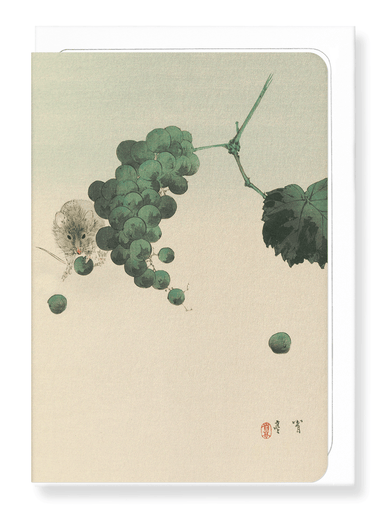
Text on the reverse side:The mouse is the first animal that appears in the twelve Chinese/Japanese zodiac. Symbolic of the ability to accomplish an...
詳細を全部見る
Greeting card
Text on the reverse side:Chinese people believe a full moon is a symbol of peace, prosperity, and family reunion. In Japan, a country where many sy...
詳細を全部見る
Greeting card
Text on the reverse side:A contemporary knight in armour adaptation of a Japanese woodblock print dating from 1814. The Japanese word for frog is “...
詳細を全部見る
Greeting card
Text on the reverse side:A contemporary Royal Guard adaptation of a Japanese woodblock print dating 1814. The Japanese word for frog is “kaeru”, wh...
詳細を全部見る
Greeting card
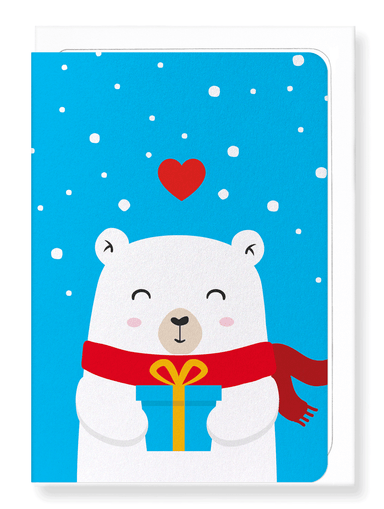
Text on the reverse side:Most likely to help with the insulating properties of their fur, polar bears love to stay clean by taking a swim and rolli...
詳細を全部見る
Greeting card
Text on the reverse side:The Japanese word for monkey, “saru”, is a homonym for the Japanese word “expel” (also pronounced saru), meaning “dispel” ...
詳細を全部見る
Greeting card
Text on the reverse side:The peacock is a symbol of beauty, prosperity, love, compassion and piece. The blooming of cherry blossoms remind us to fu...
詳細を全部見る
Greeting card
Text on the reverse side:Symbolising invincibility, power and might, the tiger is a highly potent symbol used across many cultures in Asia. Traditi...
詳細を全部見る
Greeting card
Text on the reverse side:The virtues attributed to the rooster include courage and honour. The rooster cries were also believed to be effective in ...
詳細を全部見る
Greeting card
Text on the reverse side:A contemporary Japanese male adaptation of a Japanese woodblock print dating from 1814. The Japanese word for frog is “kae...
詳細を全部見る
Greeting card
Text on the reverse side:In China, the heron represents strength, purity, patience and long life. In other cultures, the heron carries positive sym...
詳細を全部見る
Greeting card
Text on the reverse side:The artist Koson Ohara was a Japanese painter and printmaker in the late 19th and early 20th century. With some 500 works ...
詳細を全部見る
Greeting card
Text on the reverse side:A contemporary birthday adaptation of a Japanese woodblock print dating 1814. The Japanese word for frog is “kaeru”, which...
詳細を全部見る
Greeting card
Text on the reverse side:Koinobori, meaning ‘carp streamer’, are carp-shaped windsocks traditionally flown in Japan to celebrate the Children’s Day...
詳細を全部見る