Greeting card
WAXWING BIRDS
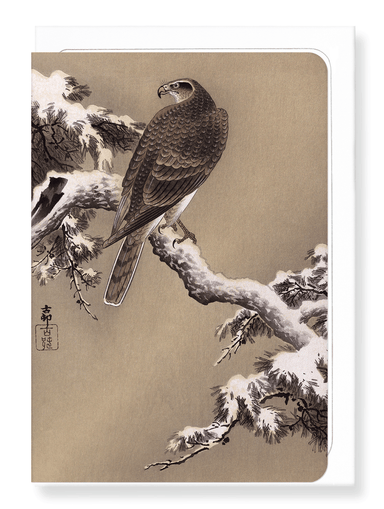
Text on the reverse side:The artist Koson Ohara was a Japanese painter and printmaker in the late 19th and early 20th century. With some 500 works ...
詳細を全部見る
Greeting card
Text on the reverse side:The artist Koson Ohara was a Japanese painter and printmaker in the late 19th and early 20th century. With some 500 works ...
詳細を全部見る
Greeting card
Text on the reverse side:Koinobori, meaning ‘carp streamer’, are carp-shaped windsocks traditionally flown in Japan to celebrate the Children’s Day...
詳細を全部見る
Greeting card
Text on the reverse side:The crane is revered as a national treasure in Japan, and has long been seen as a symbol of longevity and good fortune, as...
詳細を全部見る
Greeting card
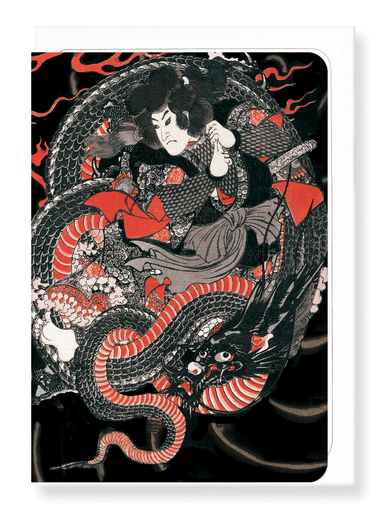
Text on the reverse side:The first time that dragons appeared in Japanese text dates back to 680 AD. Dragons in Asia are regarded as generous, bene...
詳細を全部見る
Greeting card
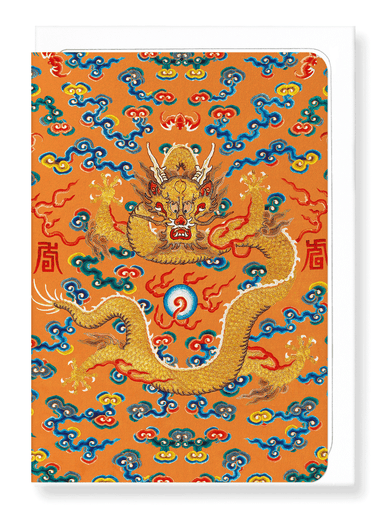
Text on the reverse side:Chinese silk embroidery with gold threads, portrays a five clawed dragon - the quintessential symbol of imperial power. De...
詳細を全部見る
Greeting card
Text on the reverse side: According to Japanese folklore, the carrion crow was thought to be a messenger of the gods. Crows are known for their in...
詳細を全部見る
Greeting card
Text on the reverse side:The carrion crow is native to Japan. According to the Japanese folk belief it was thought to be a messenger of the gods. T...
詳細を全部見る
Greeting card
Text on the reverse side:Seagulls are often a symbol of freedom. By Watanabe Seitei (1851-1918), first traditional Japanese painter to travel to Eu...
詳細を全部見る
Greeting card
Text on the reverse side:The eagle symbolises leadership with its sharp wit and focused eyesight. Flying high with powerful vision and intelligence...
詳細を全部見る
Greeting card
Text on the reverse side:The goldfish has also come to symbolise wealth in Chinese culture stemming from the fact that the Chinese word for fish (y...
詳細を全部見る
Greeting card
Text on the reverse side:Hydrangeas are often depicted in Japanese art due to their wide variety of colours and meanings. Blue Hydrangeas represent...
詳細を全部見る
Greeting card
Text on the reverse side:The first time that dragons appeared in Japanese text dates back to 680 AD. Dragons in Asia are regarded as generous, ben...
詳細を全部見る
Greeting card
Text on the reverse side:The Japanese name for owl, Fukuro, usually is written with one single character, but can also be written with the combinat...
詳細を全部見る
Greeting card
Text on the reverse side:The butterflies appear to dance as they flitter, and represent the ability to adapt, to grow, through the ever-changing st...
詳細を全部見る
Greeting card
Text on the reverse side:Ducks symbolise protection, adaptability, emotional strength and the gift of intuition. They represent the importance of l...
詳細を全部見る
Greeting card
Text on the reverse side:A contemporary ballet dancer adaptation of a Japanese woodblock print dating 1814. The Japanese word for frog is “kaeru”, ...
詳細を全部見る
Greeting card
Text on the reverse side:Said to have been painted by Getsuju at a drinking party. The text narrates two men arguing about life. One man reveals h...
詳細を全部見る
Greeting card
Text on the reverse side:The artist Koson Ohara was a Japanese painter and printmaker in the late 19th and early 20th century. With some 500 works ...
詳細を全部見る
Greeting card
Text on the reverse side:A contemporary birthday adaptation of a Japanese woodblock print dating 1814. The Japanese word for frog is “kaeru”, which...
詳細を全部見る
Greeting card
Text on the reverse side:A contemporary William Morris adaptation of a Japanese woodblock print dating 1814. The Japanese word for frog is “kaeru”,...
詳細を全部見る
Greeting card
Text on the reverse side:Symbolising invincibility, power and might, the tiger is a highly potent figure used across many cultures in Asia, taking ...
詳細を全部見る
Greeting card
Text on the reverse side:A contemporary paper crane adaptation of a Japanese woodblock print dating from 1814. The Japanese word for frog is “kaeru...
詳細を全部見る
Greeting card
Text on the reverse side:The virtues attributed to the rooster include courage and honour. The rooster cries were also believed to be effective in ...
詳細を全部見る
Greeting card
Text on the reverse side:The first time that dragons appeared in Japanese text dates back to 680 AD. Dragons in Asia are regarded as generous, ben...
詳細を全部見る
Greeting card
Text on the reverse side:The cockatoo is symbolic of self-acceptance and love, as well as healthy communication with those around us. It also repre...
詳細を全部見る
Greeting card
Text on the reverse side:Une adaptation d'une estampe japonaise de 1814. Le mot japonais pour grenouille est "kaeru", qui peut aussi signifier "rev...
詳細を全部見る
Greeting card
Text on the reverse side:Due to their nocturnal life, bats stand for protection and rebirth. Meanwhile, the spider web represents resilience and ha...
詳細を全部見る
Greeting card
Text on the reverse side: A contemporary football adaptation of a Japanese woodblock print dating 1814. The Japanese word for frog is “kaeru”, whi...
詳細を全部見る
Greeting card
Text on the reverse side:It is said that a koi carp swims up rivers and climbs waterfalls. The Japanese associates koi carps with perseverance in a...
詳細を全部見る
Greeting card
Text on the reverse side:The goose never leaves one of its own kind behind. This auspicious animal is related to the virtue of cooperation, teamwor...
詳細を全部見る
Greeting card
Text on the reverse side:The peacock is a symbol of immortality because the ancients believed peacocks do not decay even after death. Furthermore, ...
詳細を全部見る
Greeting card
Text on the reverse side: A contemporary football adaptation of a Japanese woodblock print dating 1814. The Japanese word for frog is “kaeru”, whi...
詳細を全部見る
Greeting card
Text on the reverse side:A contemporary Welsh lady adaptation of a Japanese woodblock print dating 1814. The Japanese word for frog is “kaeru”, whi...
詳細を全部見る
Greeting card
Text on the reverse side:As it was thought to live for a thousand years, the crane is the ultimate symbol of longevity in Japan. Here, it is paired...
詳細を全部見る
Greeting card
Text on the reverse side: Totoya Hokkei, a noted pupil of Hokusai, depicts a powerful dragon emerging through swirling clouds. The dynamic composi...
詳細を全部見る
Greeting card
Text on the reverse side:A contemporary green adaptation of a Japanese woodblock print dating 1814. The Japanese word for frog is “kaeru”, which ca...
詳細を全部見る