Art Print
DE MORGAN PEACOCK
Based on a design by English potter and tile designer, William de Morgan (1839–1917). In Greco-Roman mythology, the peacock tail was said to have t...
詳細を全部見る
Art Print
Based on a design by English potter and tile designer, William de Morgan (1839–1917). In Greco-Roman mythology, the peacock tail was said to have t...
詳細を全部見る
Greeting card
Text on the reverse side:In China, the heron represents strength, purity, patience and long life. In other cultures, the heron carries positive sym...
詳細を全部見る
Greeting card
Text on the reverse side:The artist Koson Ohara was a Japanese painter and printmaker in the late 19th and early 20th century. With some 500 works ...
詳細を全部見る
Bookmark
Text on the reverse side: A contemporary paper crane adaptation of a Japanese woodblock print dating from 1814. The Japanese word for frog is “kae...
詳細を全部見る
Art Print
A contemporary Indian adaptation of a Japanese woodblock print from 1814. The Japanese word for frog is “kaeru”, which can also mean “to return”, s...
詳細を全部見る
Art Print
A contemporary Elizabethan adaptation of a Japanese woodblock print from 1814. The Japanese word for frog is “kaeru”, which can also mean “to retur...
詳細を全部見る
Bookmark
Text on the reverse side: A contemporary Sherlock Holmes adaptation of a Japanese woodblock print dating 1814. The Japanese word for frog is “kaer...
詳細を全部見る
Art Print
A contemporary egyptian adaptation of an antique Japanese woodblock print from 1814. The Japanese word for frog is “kaeru”, which can also mean “t...
詳細を全部見る
Art Print
In Japan, koi carp are associated with good fortune. They also symbolise courage, strength of purpose and perseverance in the face of adversity.
Art Print
The egret is appreciated as an auspicious symbol in many cultures, representing independence, calm, grace and determination. In China, the egret sy...
詳細を全部見る
Greeting card
Text on the reverse side: According to Japanese folklore, the carrion crow was thought to be a messenger of the gods. Crows are known for their in...
詳細を全部見る
Greeting card
Text on the reverse side:Koinobori, meaning ‘carp streamer’, are carp-shaped windsocks traditionally flown in Japan to celebrate the Children’s Day...
詳細を全部見る
Greeting card
Text on the reverse side:The crane is revered as a national treasure in Japan, and has long been seen as a symbol of longevity and good fortune, as...
詳細を全部見る
Greeting card
Text on the reverse side:The first time that dragons appeared in Japanese text dates back to 680 AD. Dragons in Asia are regarded as generous, bene...
詳細を全部見る
Art Print
Symbolising invincibility, power and might, the tiger is a highly potent figure used across many cultures in Asia, taking the kingly position held ...
詳細を全部見る
Bookmark
Text on the reverse side: The word for bat in Japanese is "komori". In the Japanese culture, the bat is regarded as a symbol of good fortune and s...
詳細を全部見る
Greeting card
Text on the reverse side:Seagulls are often a symbol of freedom. By Watanabe Seitei (1851-1918), first traditional Japanese painter to travel to Eu...
詳細を全部見る
Greeting card
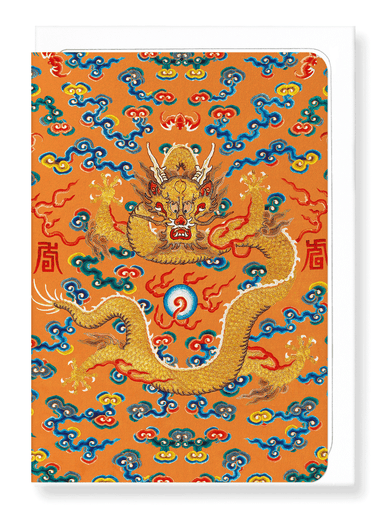
Text on the reverse side:Chinese silk embroidery with gold threads, portrays a five clawed dragon - the quintessential symbol of imperial power. De...
詳細を全部見る
Art Print
The swallow, associated with sailors, symbolises strong fighting spirit, success and also a safe return. It also represents love, care and affectio...
詳細を全部見る
Greeting card
Text on the reverse side:The carrion crow is native to Japan. According to the Japanese folk belief it was thought to be a messenger of the gods. T...
詳細を全部見る
Greeting card
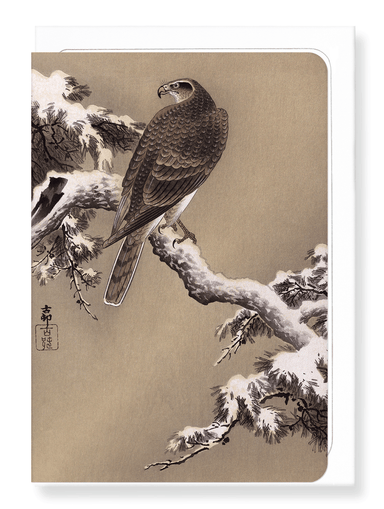
Text on the reverse side:The eagle symbolises leadership with its sharp wit and focused eyesight. Flying high with powerful vision and intelligence...
詳細を全部見る
Art Print
A Qing dynasty Chinese empress adaptation of a woodblock print from 1814. The Japanese word for frog is "kaeru", which can also mean "to return", s...
詳細を全部見る
Greeting card
Text on the reverse side:The goldfish has also come to symbolise wealth in Chinese culture stemming from the fact that the Chinese word for fish (y...
詳細を全部見る
Art Print
Temples and shrines often associated themselves with dragons. The mythical being has traditionally been celebrated for its benevolence, intelligenc...
詳細を全部見る
Bookmark
Text on the reverse side: A contemporary cowboy adaptation of a Japanese woodblock print dating 1814. The Japanese word for frog is “kaeru”, which...
詳細を全部見る
Greeting card
Text on the reverse side: A contemporary paper crane adaptation of a Japanese woodblock print dating from 1814. The Japanese word for frog is “kae...
詳細を全部見る
Greeting card
Text on the reverse side:Hydrangeas are often depicted in Japanese art due to their wide variety of colours and meanings. Blue Hydrangeas represent...
詳細を全部見る
Greeting card
Text on the reverse side:The first time that dragons appeared in Japanese text dates back to 680 AD. Dragons in Asia are regarded as generous, ben...
詳細を全部見る
Greeting card
Text on the reverse side:The Japanese name for owl, Fukuro, usually is written with one single character, but can also be written with the combinat...
詳細を全部見る
Greeting card
Text on the reverse side:The butterflies appear to dance as they flitter, and represent the ability to adapt, to grow, through the ever-changing st...
詳細を全部見る
Art Print
A contemporary Roman adaptation of a Japanese woodblock print from 1814. The Japanese word for frog is “kaeru”, which can also mean “to return”, so...
詳細を全部見る
Art Print
The songbird is a protective spirit associated to poetry and music. The lotus flower is revered for its ability to rise from the murky waters to bl...
詳細を全部見る
Art Print
A contemporary Royal Guard adaptation of a Japanese woodblock print dating 1814. The Japanese word for frog is “kaeru”, which can also mean “to ret...
詳細を全部見る
Art Print
Elephants symbolise strength and power of the body and spirit, whilst also representing wisdom, loyalty, stability and determination. As they are n...
詳細を全部見る
Greeting card
Text on the reverse side:Ducks symbolise protection, adaptability, emotional strength and the gift of intuition. They represent the importance of l...
詳細を全部見る
Greeting card
Text on the reverse side:A contemporary ballet dancer adaptation of a Japanese woodblock print dating 1814. The Japanese word for frog is “kaeru”, ...
詳細を全部見る