Bookmark
ROMANTIC EZEN FROG
Text on the reverse side: A contemporary romantic adaptation of a Japanese woodblock print from 1814. The Japanese word for frog is “kaeru”, which...
詳細を全部見る
Bookmark
Text on the reverse side: A contemporary romantic adaptation of a Japanese woodblock print from 1814. The Japanese word for frog is “kaeru”, which...
詳細を全部見る
Greeting card
Text on the reverse side:A contemporary William Morris adaptation of a Japanese woodblock print dating 1814. The Japanese word for frog is “kaeru”,...
詳細を全部見る
Bookmark
Text on the reverse side: A contemporary martial arts adaptation of a Japanese woodblock print dating 1814. The Japanese word for frog is “kaeru”,...
詳細を全部見る
Greeting card
Text on the reverse side:Said to have been painted by Getsuju at a drinking party. The text narrates two men arguing about life. One man reveals h...
詳細を全部見る
Bookmark
Text on the reverse side: A contemporary Christmas adaptation of a Japanese woodblock print dating 1814. The Japanese word for frog is “kaeru”, wh...
詳細を全部見る
Greeting card
Text on the reverse side:The artist Koson Ohara was a Japanese painter and printmaker in the late 19th and early 20th century. With some 500 works ...
詳細を全部見る
Greeting card
Text on the reverse side:A contemporary birthday adaptation of a Japanese woodblock print dating 1814. The Japanese word for frog is “kaeru”, which...
詳細を全部見る
Greeting card
Text on the reverse side: The word for bat in Japanese is “komori”. In the Japanese culture, bats are regarded as a symbol of good fortune, and so...
詳細を全部見る
Bookmark
Text on the reverse side: The egret is appreciated as an auspicious symbol in many cultures, representing independence, calm, grace and determinat...
詳細を全部見る
Art Print
The Japanese name for owl, Fukuro, usually is written with one single character, but can also be written with the combination of the character for ...
詳細を全部見る
Art Print
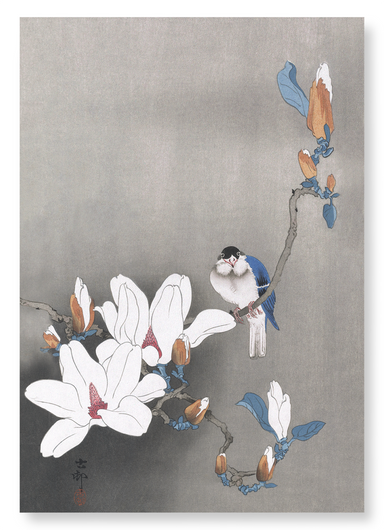
In the Japanese system of Hana-kotoba (flower meanings), the magnolia flower means the sublime, and love of nature, reinvigorating energy and life.
Greeting card
Text on the reverse side:Symbolising invincibility, power and might, the tiger is a highly potent figure used across many cultures in Asia, taking ...
詳細を全部見る
Art Print
A Qing dynasty Chinese emperor adaptation of a Japanese woodblock print from 1814. The Japanese word for frog is "kaeru", which can also mean "to r...
詳細を全部見る
Greeting card
Text on the reverse side:The virtues attributed to the rooster include courage and honour. The rooster cries were also believed to be effective in ...
詳細を全部見る
Art Print
The java finch symbolises exuberance and an energetic zest for life, reminding us to appreciate and treasure each moment. Java finches were often e...
詳細を全部見る
Greeting card
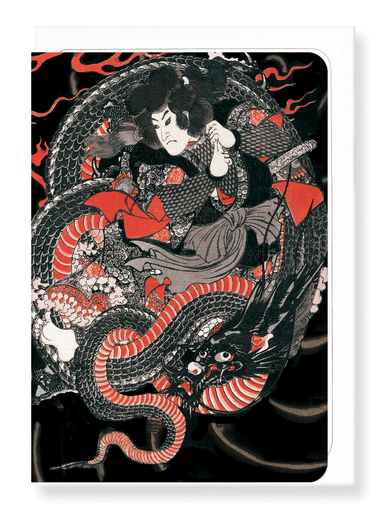
Text on the reverse side:The first time that dragons appeared in Japanese text dates back to 680 AD. Dragons in Asia are regarded as generous, ben...
詳細を全部見る
Bookmark
Text on the reverse side: The crane is revered as a national treasure in Japan, and has long been seen as a symbol of longevity and good fortune, ...
詳細を全部見る
Art Print
A contemporary Bishop adaptation of a Japanese woodblock print from 1814. The Japanese word for frog is “kaeru”, which can also mean “to return”, s...
詳細を全部見る
Bookmark
Text on the reverse side: A contemporary Elizabethan adaptation of a Japanese woodblock print from 1814. The Japanese word for frog is “kaeru”, wh...
詳細を全部見る
Bookmark
Text on the reverse side: A contemporary Roman adaptation of a Japanese woodblock print from 1814. The Japanese word for frog is “kaeru”, which ca...
詳細を全部見る
Art Print
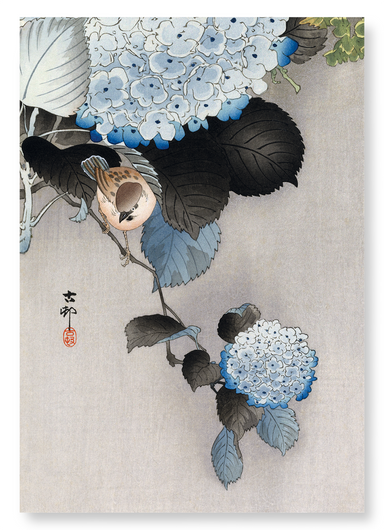
The artist Koson Ohara was a Japanese painter and printmaker in the late 19th and early 20th century. With some 500 works to his name, he was the m...
詳細を全部見る
Greeting card
Text on the reverse side:The cockatoo is symbolic of self-acceptance and love, as well as healthy communication with those around us. It also repre...
詳細を全部見る
Art Print
Symbolising invincibility, power and might, the tiger is a highly potent symbol used across many cultures in Asia. Traditionally regarded in Japan ...
詳細を全部見る
Greeting card
Text on the reverse side:Une adaptation d'une estampe japonaise de 1814. Le mot japonais pour grenouille est "kaeru", qui peut aussi signifier "rev...
詳細を全部見る
Greeting card
Text on the reverse side:Due to their nocturnal life, bats stand for protection and rebirth. Meanwhile, the spider web represents resilience and ha...
詳細を全部見る
Art Print
A contemporary Japanese male adaptation of a Japanese woodblock print dating from 1814. The Japanese word for frog is “kaeru”, which can also mean ...
詳細を全部見る
Bookmark
Text on the reverse side: A contemporary Scrooge adaptation of a Japanese woodblock print by Koson (1877-1945). Japanese folklore portrays the fox...
詳細を全部見る
Greeting card
Text on the reverse side:A contemporary green adaptation of a Japanese woodblock print dating 1814. The Japanese word for frog is “kaeru”, which ca...
詳細を全部見る
Greeting card
Text on the reverse side:It is said that a koi carp swims up rivers and climbs waterfalls. The Japanese associates koi carps with perseverance in a...
詳細を全部見る
Greeting card
Text on the reverse side:The goose never leaves one of its own kind behind. This auspicious animal is related to the virtue of cooperation, teamwor...
詳細を全部見る
Greeting card
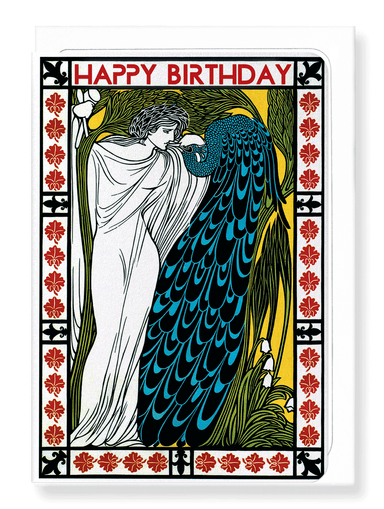
Text on the reverse side:The peacock is a symbol of immortality because the ancients believed peacocks do not decay even after death. Furthermore, ...
詳細を全部見る
Greeting card
Text on the reverse side: A contemporary football adaptation of a Japanese woodblock print dating 1814. The Japanese word for frog is “kaeru”, whi...
詳細を全部見る
Greeting card
Text on the reverse side: A contemporary Hamlet adaptation of a Japanese woodblock print dating 1814. The Japanese word for frog is “kaeru”, which...
詳細を全部見る
Greeting card
Text on the reverse side: A contemporary gardener adaptation of a Japanese woodblock print by Koson (1877-1945). Japanese folklore portrays the fo...
詳細を全部見る
Greeting card
Text on the reverse side:A contemporary Welsh lady adaptation of a Japanese woodblock print dating 1814. The Japanese word for frog is “kaeru”, whi...
詳細を全部見る
Greeting card
Text on the reverse side:As it was thought to live for a thousand years, the crane is the ultimate symbol of longevity in Japan. Here, it is paired...
詳細を全部見る