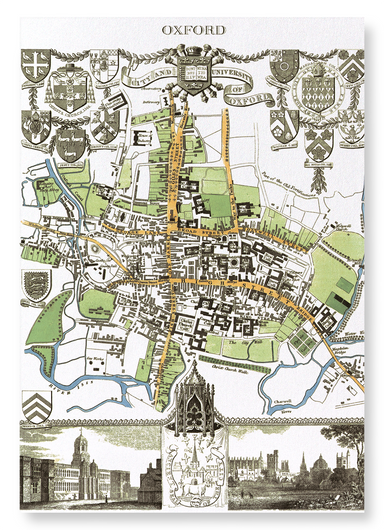
Art Print
KIMONO OF BATS AND SPIDER WEB (1899)
Due to their nocturnal life, bats stand for protection and rebirth. Meanwhile, the spider web represents resilience and hard work.
Art Print
Due to their nocturnal life, bats stand for protection and rebirth. Meanwhile, the spider web represents resilience and hard work.
Art Print
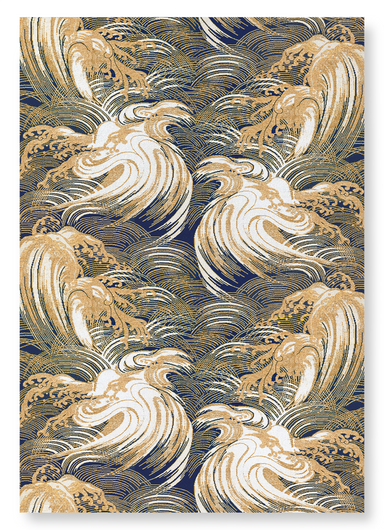
There are numerous editions of the iconic Great Wave. From the British Museum, Metropolitan Museum of Art in New York City, Art Institute of Chicag...
View full details
Art Print
The passing of time and life is represented through flowers of all seasons, with their auspiciousness they guaranteed the wearer’s good fortune.
Art Print
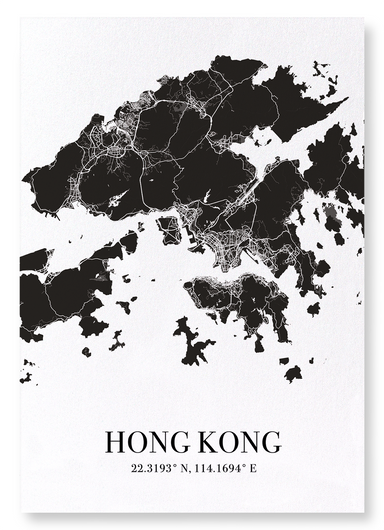
Measuring 1,106km2, the city has more Rolls Royce’s per person than any other city in the world, as well as the most skyscrapers - double that of N...
View full details
Art Print
Measuring 43m in height, the lighthouse located in the English Channel in East Sussex became operational in October 1902 and was staffed by three k...
View full details
Art Print
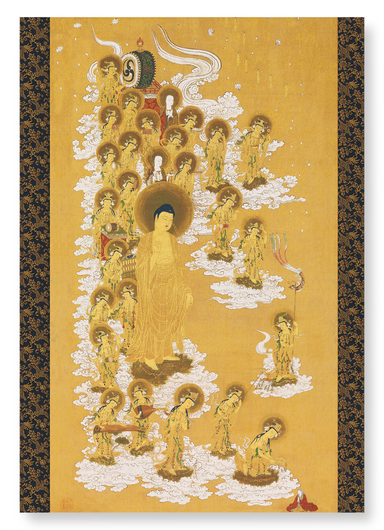
Japanese “raigo” imagery is a representation of Amida Buddha, also known as the Buddha of Immeasurable Light, welcoming the soul to paradise, in th...
View full details
Art Print
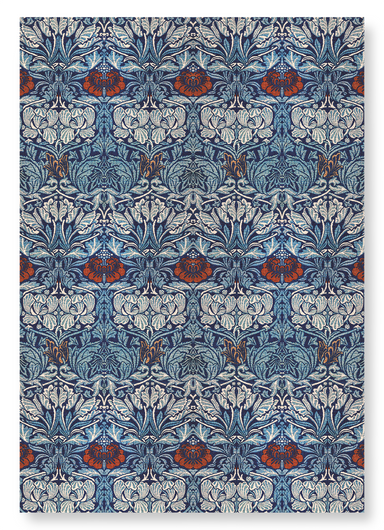
British textile designer and potter William Morris (1834-1896). Morris grew roses at Red House, as they were one of his favourite flowers. Roses ap...
View full details
Art Print
The Japanese word for the highest ranked courtesan is “oiran”. It is debated how this name came about, but one theory comes from how the girls work...
View full details
Art Print
In Japanese folklore, portrayed with intelligence and paranormal abilities, the 'kitsune' fox are capable of taking human form, sometimes to trick ...
View full details
Art Print
Hasui Kawase was one of most prominent print designers of the shin-hanga (new prints) movement. Unlike his contemporaries he preferred to depict le...
View full details
Art Print
Yasaka Pagoda, first built in 589, was repeatedly destroyed and burned in war. Always reconstructed to its original form, its current structure was...
View full details
Art Print
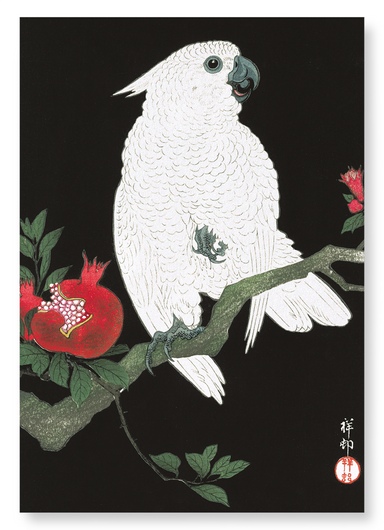
The cockatoo is symbolic of self-acceptance and love, as well as healthy communication with those around us. It also represents change, especially ...
View full details
Art Print
Part of a triptych image, a giant skeleton spirit known as a gashadokuro looms over the menace warrior Oya no Mitsukuni and his companion. The enti...
View full details
Art Print
The first time that dragons appeared in Japanese text dates back to 680 AD. Dragons in Asia are regarded as generous, benevolent forces that use t...
View full details
Art Print
Initially built in 1617, the pagoda is part of a shrine complex, registered as a UNESCO World Heritage Site in 1999. The wonder and beauty of the s...
View full details
Art Print
A bridge, particularly a bridge over water, represents crossing over from the profane to the sacred. In Zen symbolism, red represents life force, t...
View full details
Art Print
Both the Japanese and Chinese regard the evergreen pine as a symbol of longevity, good fortune and steadfastness. The artist Hiroshige is thought t...
View full details
Art Print
The Japanese associate koi carps with perseverance in adversity, strength of purpose and determination to overcome obstacles, thus representing cou...
View full details
Art Print
The Japanese word for monkey, “saru”, is a homonym for the Japanese word “expel” (also pronounced saru), meaning “dispel” or “push away”. This has ...
View full details
Art Print
Christopher Richard Wynne Nevinson (1889-1946), an English figure and landscape painter, etcher and lithographer, who studied at the Slade School o...
View full details
Art Print
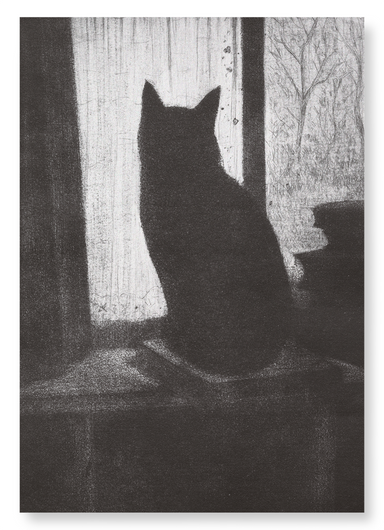
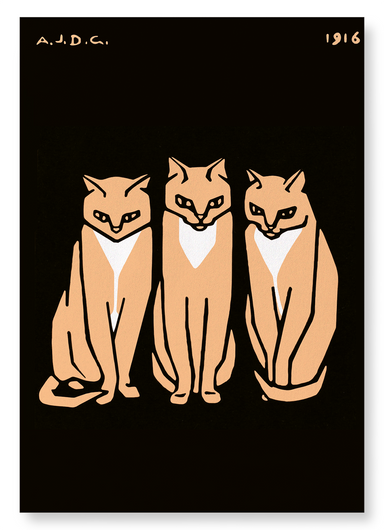
A woodcut by the Dutch graphic artist and painter Julie de Graag (1877-1924). The cat represents rebirth and resurrection, per their nine lives. Th...
View full details
Art Print
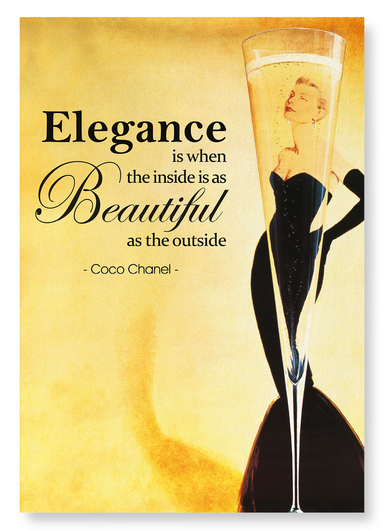
A quote from Gabrielle Bonheur Chanel, the founder of the Chanel brand, who popularised a sportive, casual chic as the feminine standard. She was t...
View full details
Art Print
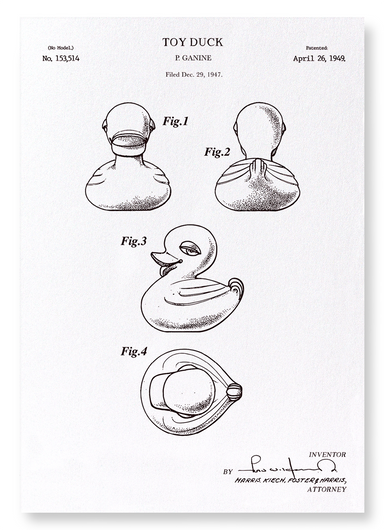
In 1992, 28,000 rubber ducks were lost at sea from a shipping crate from Hong Kong to USA. Some have washed up on the shores of Hawaii, whilst othe...
View full details
Art Print
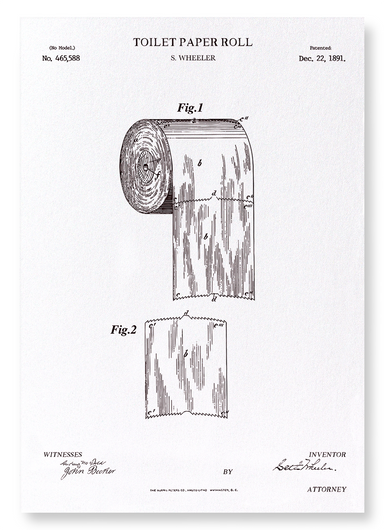
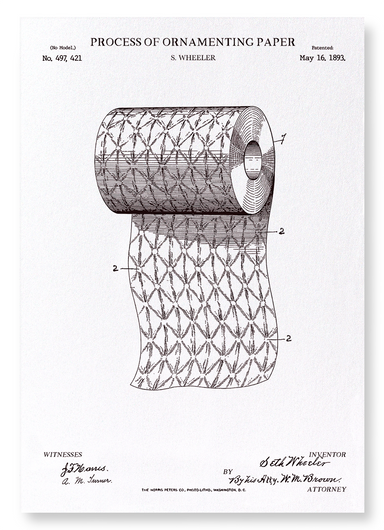
The first commercial toilet paper was invented by Joseph Gayetty in 1857 which was used for medical purposes. It was British businessman Walter Alc...
View full details
Art Print
In 2013, a toilet paper roll made from 22-carat gold went on sale by the Australian company, Toilet Paper Man, with the price tag of £825K (US $1,3...
View full details
Art Print
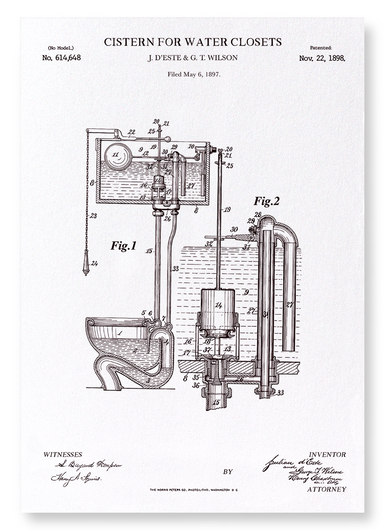
An average person visits the toilet 2500 times a year. In total, we spend around 3 years of our life in the toilet, where we use approximately 57 s...
View full details
Art Print
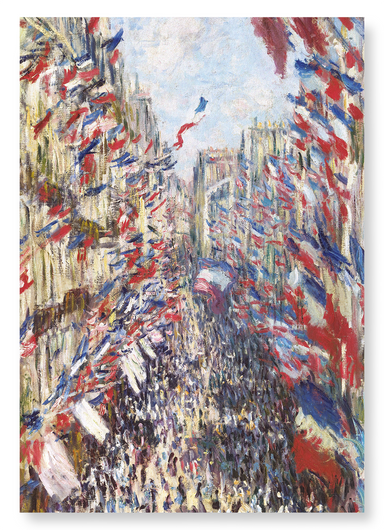
Known as Le Drapeau Tricolore (French Tricolors), the origin of the French flag dates to 1790 and the French Revolution when the “ancient French co...
View full details
Art Print
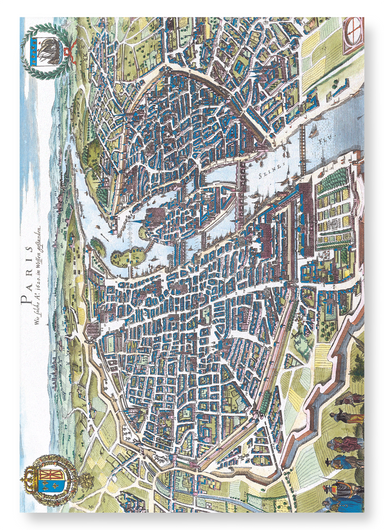
View of Paris published c.1660 by Martin Zeiller. The city was founded in the 3rd century BC by Celtic people called the Parisii, from where the ci...
View full details
Art Print
Designed by the American artist, Louis Tiffany, this window represents the River of Life. The magnolia flower symbolises perseverance, eternity and...
View full details
Art Print
Monet produced around 200 paintings of the waterlily pond of his home in Giverny. Depicted solely of an expanse of water, the paintings contain nei...
View full details
Art Print
Surprisingly, humans and seahorses have some traits in common. Just like us, every individual seahorse has a unique physique, but they also share o...
View full details
Art Print
A contemporary Royal Guard adaptation of a Japanese woodblock print dating 1814. The Japanese word for frog is “kaeru”, which can also mean “to ret...
View full details
Art Print
A contemporary sculptor adaptation of a Japanese woodblock print from 1814. The Japanese word for frog is “kaeru”, which can also mean “to return”,...
View full details
Art Print
A contemporary baseball adaptation of a Japanese woodblock print dating 1814. The Japanese word for frog is “kaeru”, which can also mean “to return...
View full details
Art Print
A contemporary Statue of Liberty adaptation of a Japanese woodblock print dating 1814. The Japanese word for frog is “kaeru”, which can also mean “...
View full details
Art Print
This painting features the fascia of two now-vanished small shops: Collins' local toy and doll-repair shop and Nichols’ watch dealer, both once fix...
View full details